
Soar: Memorias publicadas póstumamente sobre la rebeldía de una mujer frente a la anemia falciforme.

Gail Campbell Woolley en Egipto, 1996. Templo de Abu Simbel. Gail sostiene un anj o símbolo de la "llave de la vida".
“I made up my mind early to live the best possible life, no matter how long it lasts.”
Después de que le diagnosticaran anemia de células falciformes a los siete años y le dijeran que moriría antes de cumplir los 35, Gail Campbell Woolley se despertaba cada mañana con el sonido del famoso reloj de 60 minutos haciendo tictac en su mente.
Desde el buceo hasta los safaris y los viajes a todos los continentes excepto la Antártida, Woolley y su marido Howard se negaron a dejar que su enfermedad dictara sus aspiraciones o sus planes, incluso cuando las graves complicaciones amenazaron con paralizar sus actividades casi al final de su vida. A pesar de los importantes obstáculos, logró el éxito académico, una impresionante carrera de periodista, un largo y amoroso matrimonio con su novio de la universidad y la capacidad de dejar su inconfundible sello en cada persona que conoció.
Woolley’s powerful story not only inspires readers to follow their dreams no matter the roadblocks they face, but it also raises awareness about suffering from sickle cell, a painful, often overlooked disease that primarily affects people of color. In sharing her story, Woolley hoped to shed light on this genetic condition that affects an estimated 100,000 people in the United States alone.
SOAR: A Memoir is the posthumous publication and the last item on Woolley’s bucket list, which her husband Howard was committed to making happen. It will move readers to root for this irrepressible, quietly heroic woman and will support people with rare diseases and others to reassess their own approaches to life. “The last few years of Gail’s life were very hard on her and she endured incredible pain” comments Howard. “I learned to treat and see my incredible wife each day as if it were the first days of our marriage. I believe my attitude helped both of us all along our journey together.” Sickle cell disease affects millions of people worldwide. It is most common among people whose ancestors come from Africa; Mediterranean countries such as Greece, Turkey, and Italy; the Arabian Peninsula; India; and Spanish-speaking regions in South America, Central America, and parts of the Caribbean.
This book will support the fact that you are not alone, and can be supported by hearing the testimonies of others, and by sharing your own journey with them, to help ease some of the emotional pain. “I was inspired every day by how Gail was determined to live her life so full and with abundance. I learned a great deal about how to live in the present. If Gail was reading a good book, it was not the time to ask her how she was feeling, but the time to live in the present and ask her about the joys of the book itself.”
Gail Campbell Woolley (1957-2015) grew up in Washington DC, and was diagnosed with sickle cell anemia at age seven. She studied journalism and international relations at Syracuse University and worked as a reporter for the Washington Star, The Baltimore Sun, and the Washington Times before beginning a career in corporate public relations.
Latest from Know Rare

In children, ITP is more often diagnosed during the fall and winter. This pattern suggests that infections or environmental factors, such as viruses or some vaccines, may trigger the immune system to attack platelets. Researchers wondered if the time of year also affected when adults develop ITP.

From prenatal uncertainty and postpartum anxiety to therapy, grief, and hope, a mother shares her experience raising a child with a rare disease, navigating the healthcare system, finding community, and learning to embrace a different—but deeply meaningful—path as a parent.

A Danon disease study, led by researcher Dr. Barry Greenberg and published in the New England Journal of Medicine, wins an award! The study focuses on gene therapy as a potential treatment option for Danon disease. The study showed early signs that gene therapy may help the hearts of people with Danon disease.
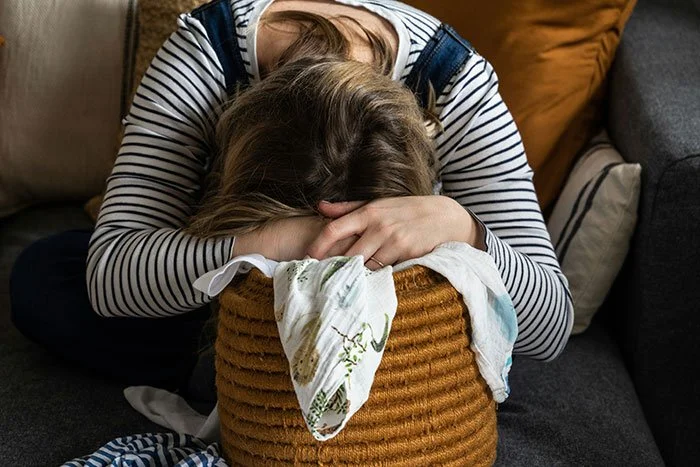
A poster, presented at the European Hematology Association meeting in June, described a study that looked at tiredness (fatigue) in adults with immune thrombocytopenia (ITP). Researchers wanted to see if fatigue was related to bleeding or other health test results.
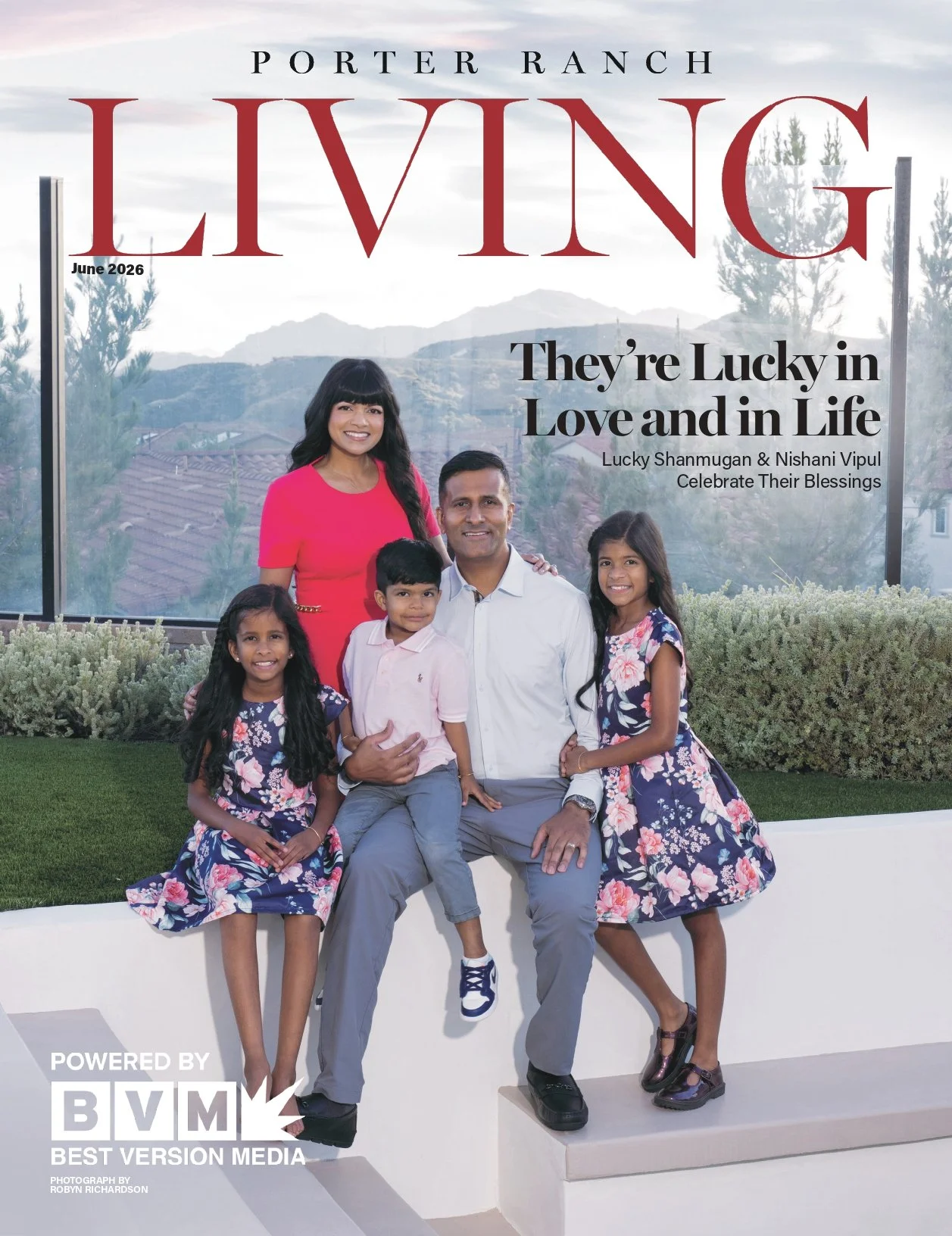
Lucky Shanmugan was recently featured in Porter Ranch Living, his local magazine, for Father’s Day: in his interview, Lucky talks about Osteogenesis Imperfecta, a rare genetic or heritable disorder of the connective tissue, and the incredible journey towards his official diagnosis.

Here are 9 things Chris Anselmo wishes someone had told him after his rare disease diagnosis.


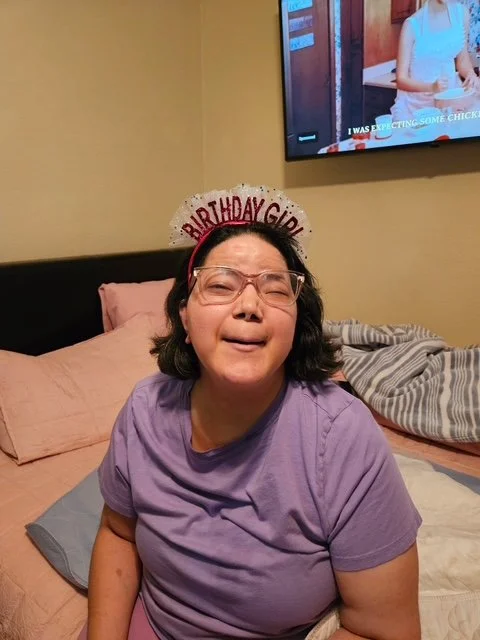
Las dificultades y la fortaleza de una familia a la hora de buscar respuestas y obtener un diagnóstico para su hijo, tras numerosas pruebas, biopsias cerebrales y hospitalizaciones. Y el alivio, pero también el dolor, al poder finalmente ponerle nombre a la enfermedad rara que afecta a su hijo: el trastorno relacionado con el gen BCL11B.
La Fundación Danon apoya decididamente a las personas que padecen la enfermedad de Danon, proporcionándoles información fiable, recursos y apoyo para ayudarles a afrontar la vida, desde el diagnóstico hasta el tratamiento.
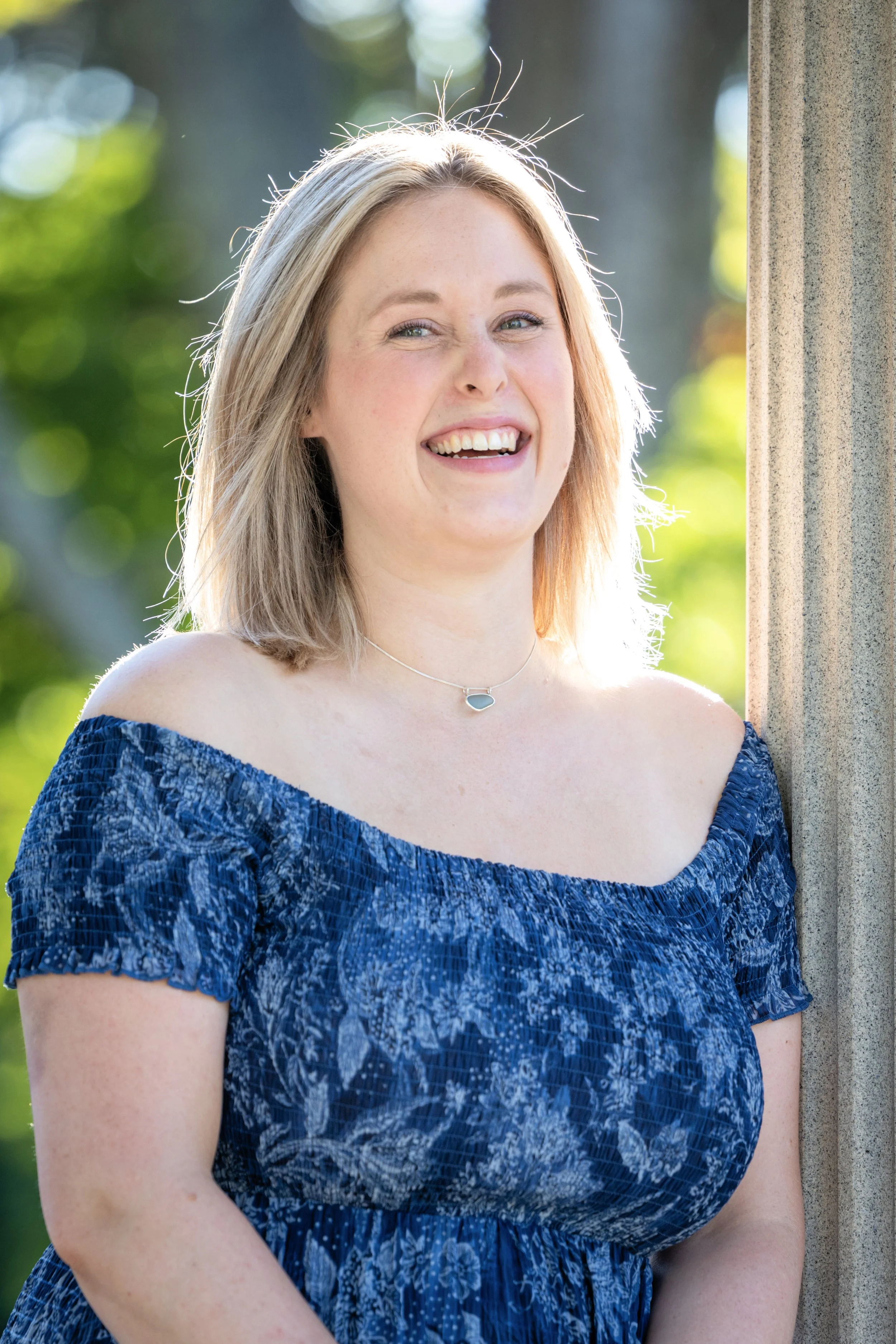
Para muchas familias, cuidar de un niño con una enfermedad rara o médicamente compleja es un trabajo a tiempo completo. El problema es que se trata de un trabajo sin formación, sin tiempo libre y sin una descripción clara de las funciones. Si buscas la luz al final del túnel, no tienes por qué buscarla solo. Echa un vistazo a algunos de los recursos favoritos de Paige.

For most of celiacs, despite months on a strict GF diet, energy stays low and blood work reveals nutrient deficiencies. The lesson? A "gluten-free" label isn't a health guarantee—just a guarantee you'll pay more.

Si le han dicho que tiene NMOSD seronegativa, hay casi un 50 % de probabilidades de que tenga un anticuerpo diferente que cause sus síntomas: el anticuerpo MOG.
Therapy Near Me es un servicio de salud mental de ámbito nacional con sede en Australia que facilita el acceso a psicólogos, terapeutas, especialistas en apoyo conductual y trabajadores sociales.

En la Semana del Riñón anual de la Sociedad Americana de Nefrólogos (ASN), la organización profesional dedicada a la salud renal más grande del mundo, se destacaron los nuevos avances en investigación. Se han invertido más de 35 millones de dólares en investigación con la ASN y hay muchos tratamientos en desarrollo para la nefropatía por IgA (IgAN), con investigadores que están estudiando activamente más de 20 fármacos diferentes.
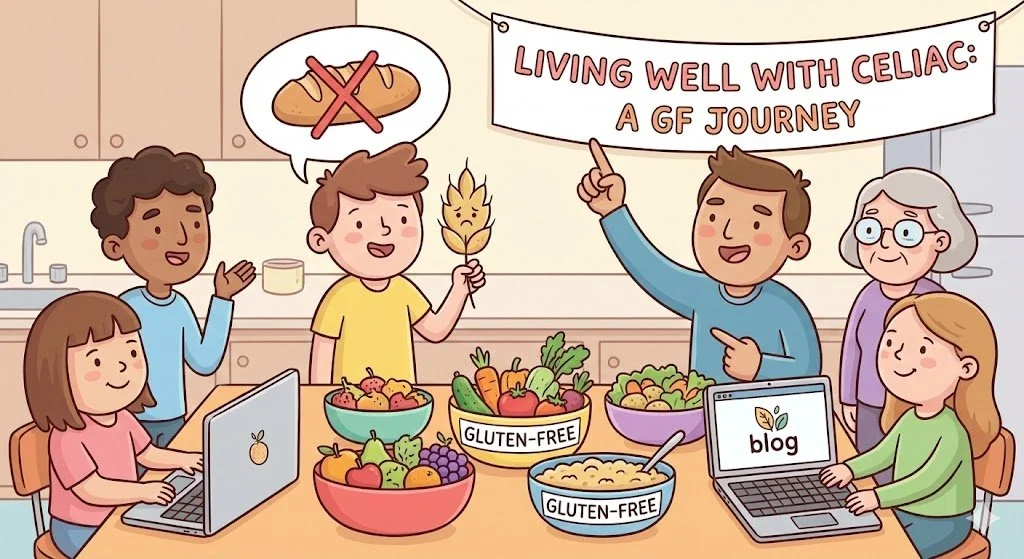
Cuando me diagnosticaron la enfermedad celíaca, pensé que bastaría con evitar el pan y la pasta. Pronto me di cuenta de que llevar una vida verdaderamente sin gluten es mucho más complicado, y comparto mi experiencia para ayudar a las personas recién diagnosticadas a comprender lo que les espera.

La retinopatía es un problema ocular que padecen muchas personas con la enfermedad de Danon. Puede causar manchas oscuras en la parte externa del ojo, visión borrosa o deteriorada y resultados inusuales en los exámenes oculares. A veces, estos cambios oculares aparecen antes que los problemas cardíacos, por lo que un examen ocular puede ayudar a detectar la enfermedad de forma temprana.

A heartfelt story about a mother who found purpose and strength among the tragedy of losing a child diagnosed with an ultra rare genetic disorder.

Kaya Girl Legacy, Inc. es una organización sin ánimo de lucro con sede en Florida, fundada en memoria de Kaya Humbert, una preciosa niña que nació con el síndrome de insuficiencia de esfingosina fosfato liasa (SPLIS), uno de los 46 casos conocidos en todo el mundo. La fundación se dedica a empoderar a las familias proporcionándoles información sobre su salud genética, así como a promover el acceso temprano a las pruebas genéticas y la sensibilización sobre las enfermedades raras.

Un poema en prosa de Jim Kuhn, un valiente luchador que vive con sarcoidosis, una enfermedad inflamatoria poco común.

Laura, de Rare Mom, nos cuenta cómo los preparativos de su familia para Halloween se convirtieron en una explosión de amor y creatividad familiar, ya que todos colaboraron en el diseño y la confección de un disfraz para Alden, su hijo con una enfermedad compleja.

En lugar de partir de un compuesto farmacológico recién descubierto, la investigación orientada al paciente (PCOR) es un tipo de investigación que comienza por dirigirse a los pacientes y a sus cuidadores y preguntarles: «¿Qué es lo que más os importa?», «¿Qué preguntas queréis que se respondan?», «¿Qué síntomas desearía is que se controlaran mejor?» y «¿Qué es lo que os quita el sueño?».

Four years ago, Michael Grivas’ life suddenly changed when he learned that he had Brugada Syndrome, a genetic disorder in which the electrical activity of the heart is abnormal due to channelopathy. Learn more about his story.

La fatiga es un síntoma muy común y a menudo debilitante de la IgAN. Está relacionada con la progresión de la enfermedad y la reducción de la función renal, pero también influyen otros factores como la inflamación, la anemia y la salud mental. En un estudio realizado en 2025, la mayoría de los pacientes con IgAN refirieron fatiga, y los pacientes con proteinuria más grave y tasas de filtración renal (eGFR) más bajas experimentaron una fatiga más intensa.

¿Por qué es tan difícil aceptar ayuda? Los seres humanos suelen asociar la ayuda con debilidad y pérdida de independencia y control. Sin embargo, si cambiamos nuestra forma de pensar, aceptar ayuda puede considerarse una forma de empoderamiento: mostrar vulnerabilidad y confiar en alguien para que nos ayude requiere una gran fortaleza.

Tener una enfermedad rara supone una gran carga mental. Rare Human Lindsay cuenta que hay cosas que ya no le importan, ya que se dedica a gestionar los síntomas de la enfermedad rara, los especialistas y los ensayos clínicos.

Lindsay, una persona excepcional, comparte sus «aspectos positivos». No se trata de que «lo que no te mata te hace más fuerte», sino de que lo que no te mata te hace más valiente. Comenta que ha encontrado conexiones más profundas con los demás, ha mejorado su capacidad para pedir y aceptar ayuda, y ya no le da tanto miedo la palabra «no».


La periodista y defensora de las enfermedades raras Lindsay Guentzel explica por qué los ensayos clínicos son un salvavidas para la comunidad de enfermedades raras. Dado que solo el 5 % de las enfermedades raras conocidas cuentan con un tratamiento aprobado por la FDA, los ensayos suelen representar la única vía hacia el tratamiento, el progreso y la esperanza.

Lindsay was diagnosed with dermatomyositis a couple of years ago. Since then, she has undergone more than 350 doctor appointments, 250+ hours of infusions, 10+ ER visits, while juggling insurance approvals, rides, and her pain and fatigue.