Gluten-Free Doesn't Always Mean Healthy: The Uncomfortable Truth Nobody Tells Celiacs
By Maria Anwar
When I was diagnosed with celiac disease in Pakistan, my doctor said: eliminate gluten. But when I asked what Gluten free (GF) bread contained, the only answer was "GF flour." No explanation.
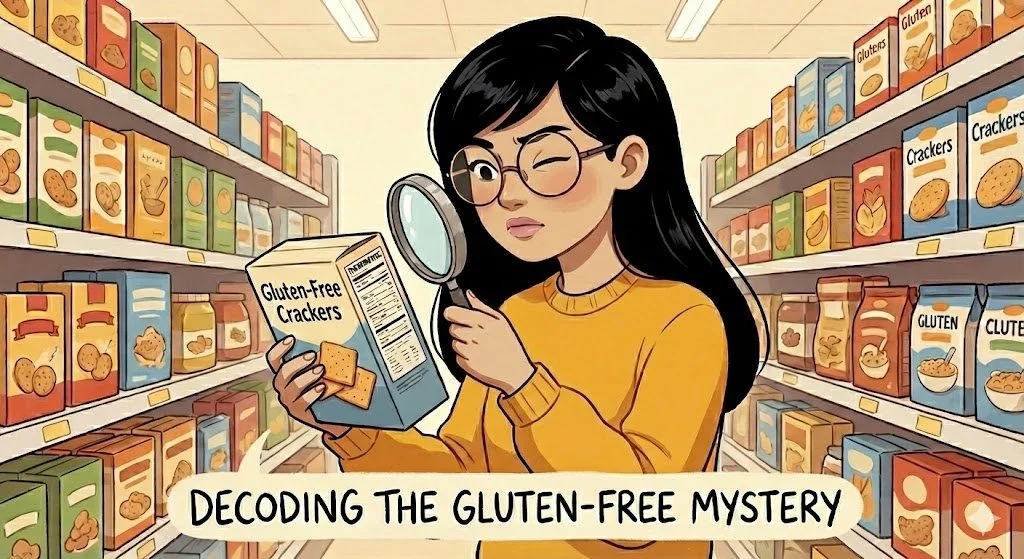
Moving to the U.S. helped—ingredient lists are mandatory here. Yet many of us still see a “gluten-free” label and toss the product into our carts without reading further. My grocery bill tripled, but I was eating healthy, right?
Not exactly. For most of celiacs despite months on a strict GF diet, energy stays low and blood work reveals nutrient deficiencies.
The lesson? A "gluten-free" label isn't a health guarantee—just a guarantee you'll pay more.
The Great Gluten-Free Illusion
The GF market has hit $7.28 billion—impressive, since only 1% of the population is celiac and 6% have gluten sensitivity. Clearly, someone else is also buying those GF crackers.
This popularity has created a "health halo" around GF labels. A 2020 study found many consumers believe GF diets are healthier and can even cure acne. Spoiler: your pizza crust is not a skincare routine.
For people without celiac or gluten sensitivity, there's no proven benefit to going GF. For those who need it, store-shelf alternatives may do more harm than good.
Nutritional Deficiency Paradox
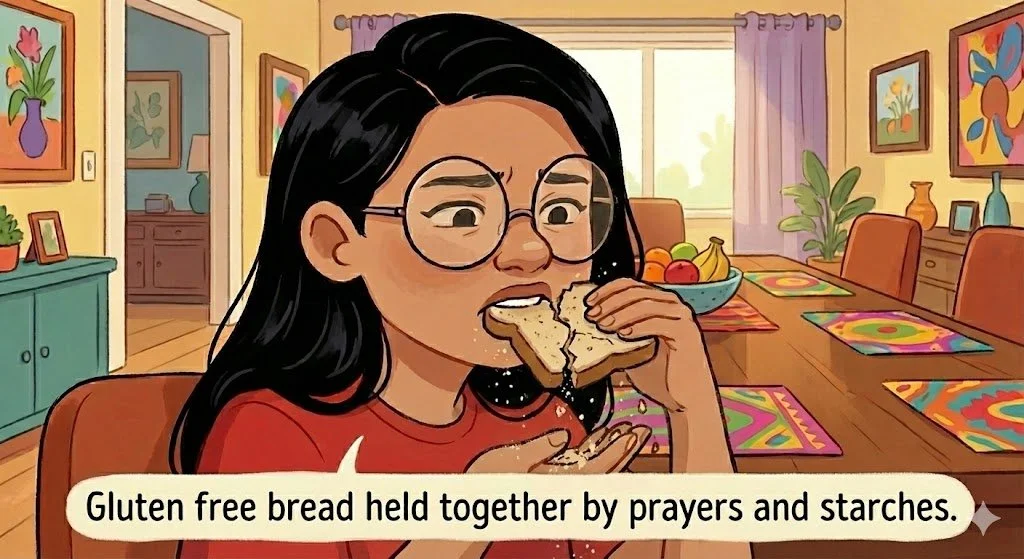
Gluten gives bread its chewy texture. Remove it, and manufacturers face a dilemma: how do you make bread that doesn't crumble into sawdust? The solution? Load it with refined starches, sugars and fats.
Irony is that celiacs are nutrient-deficient at diagnosis. The GF diet should help—but it's commonly poor in fiber, B vitamins, iron, zinc, calcium, protein and rich in saturated fat—one problem ingredient swapped for many.
The Ingredient Label Deception
Even when GF products boast healthy ingredients, it can be misleading. A "quinoa pasta" may actually be mostly potato or tapioca starch—nutritionally empty fillers. The superfood on the front of the box might be just a small fraction of total ingredients. Without percentage labeling, consumers can't tell if they're buying nutrition or a bag of unpronounceable starches.
The Weight Gain Nobody Warned You About
Weight loss is often linked to undiagnosed celiac disease. Many expect to keep losing weight after going GF—but the opposite often happens.
One research found 15.8% of celiacs moved from low or normal BMI to overweight after two years on a GF diet. Better absorption post-healing, calorie-dense GF products, and swaps like wheat to white rice all contribute. Something to keep in mind.
The Cost Burden
A 2018 study published in Nutrients showed that GF foods are 200–500% more expensive. This creates a troubling situation: celiacs with limited budgets may rely on the cheapest GF products available, which are often the most processed and least nutritious.
A Better Approach
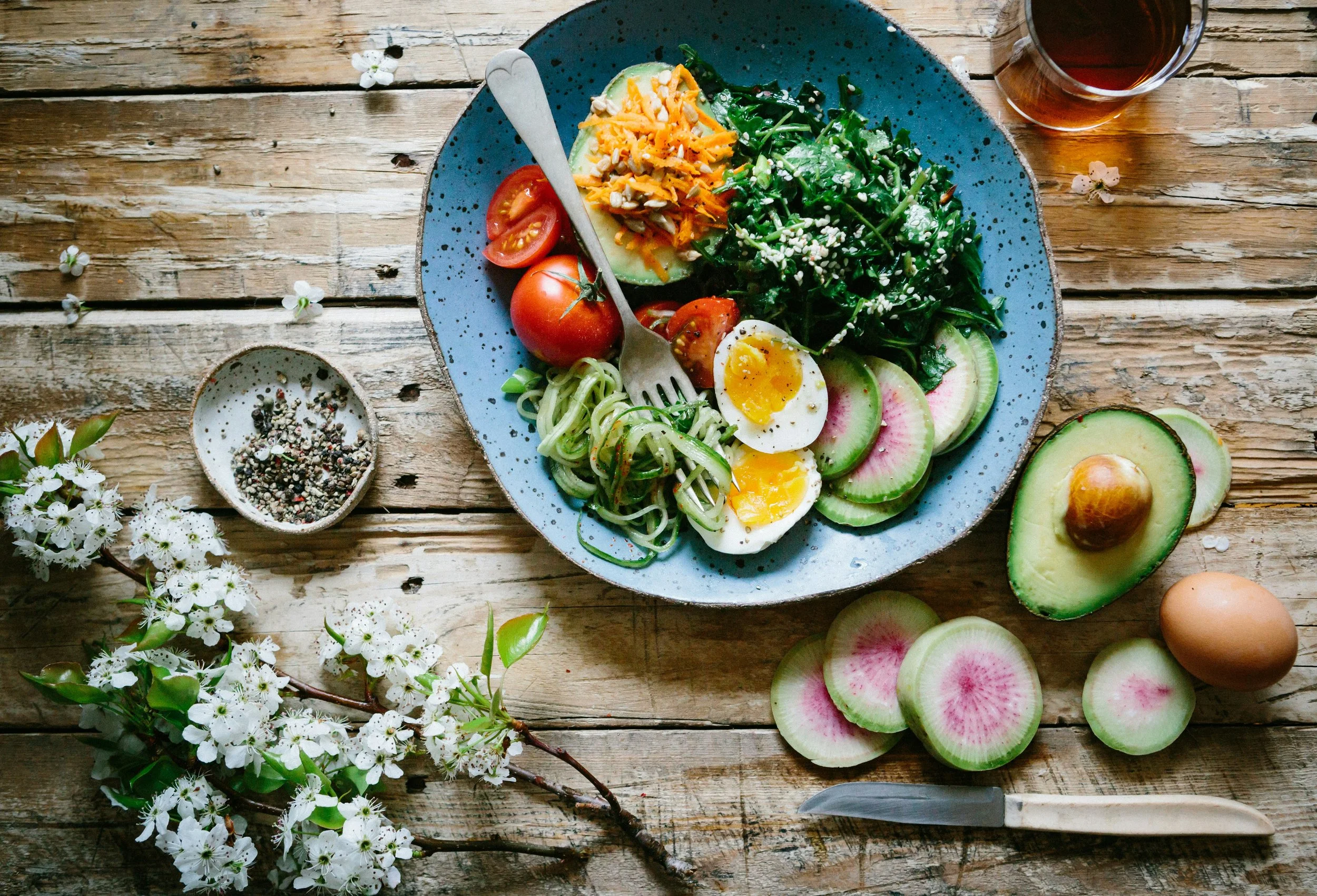
Prioritize naturally GF foods. Fruits, vegetables, unprocessed meats, legumes, nuts, and dairy are nutrient-packed.
Choose nutrient-dense GF grains. Quinoa, buckwheat, amaranth, millet, and teff beat refined rice flour in nutrition.
Treat processed GF products as a treat: That GF cookie can stay—just not as a staple.
Work with a dietitian. Professional guidance helps address deficiencies and improves outcomes.
The Bottom Line
Celiacs require a GF diet—that's non-negotiable. But a "gluten-free" label isn't a certificate of health. Many GF products are nutritionally inferior and calorie-dense— with no benefit for those who don't medically need them.
As a celiac, I'm grateful to the industry for making GF products accessible, but I enjoy them as occasional indulgences. Besides, at $8 a loaf, that bread better come with a thank-you note and a hug.
Now you know the uncomfortable truth. Make it work in your favor.
Try Know Rare’s Journaling App!
By capturing your day-to-day experiences on the Healthstory AI journaling app, an AI-powered algorithm will analyze the patterns of your entries and give you a summary report with insights you may not have noticed before.