Mariah’s Story: "When The Music Played, She Danced”
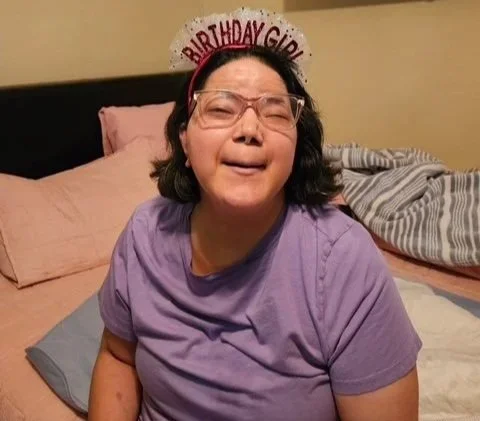
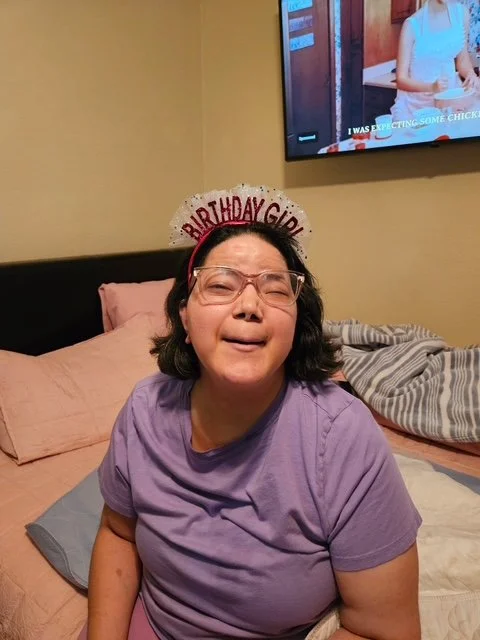
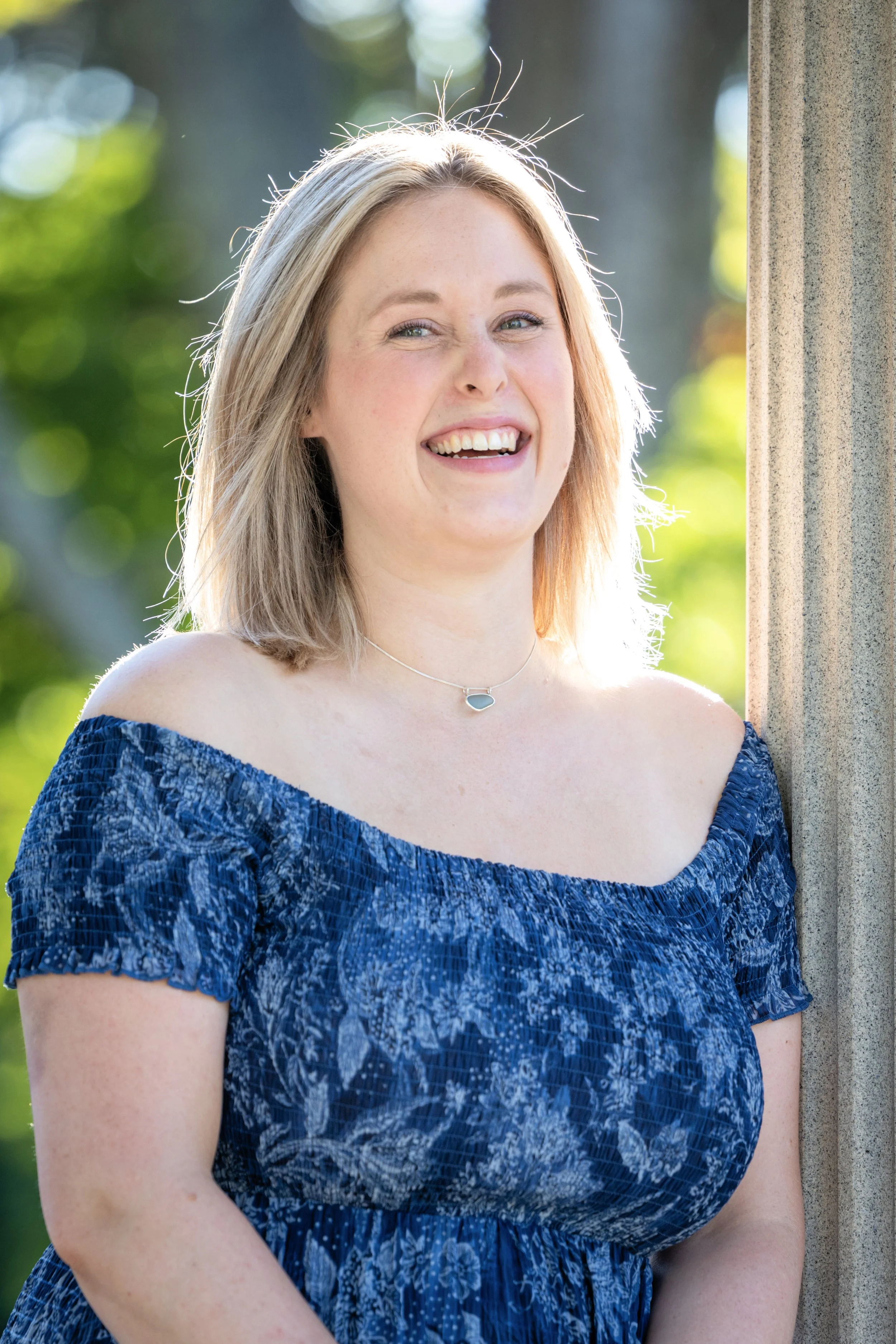
That’s how we all remember Mariah, smiling as soon as she heard a song she loved. It didn’t matter where she was. If music came on, Mariah was on her feet. That joy has always been part of who she is.
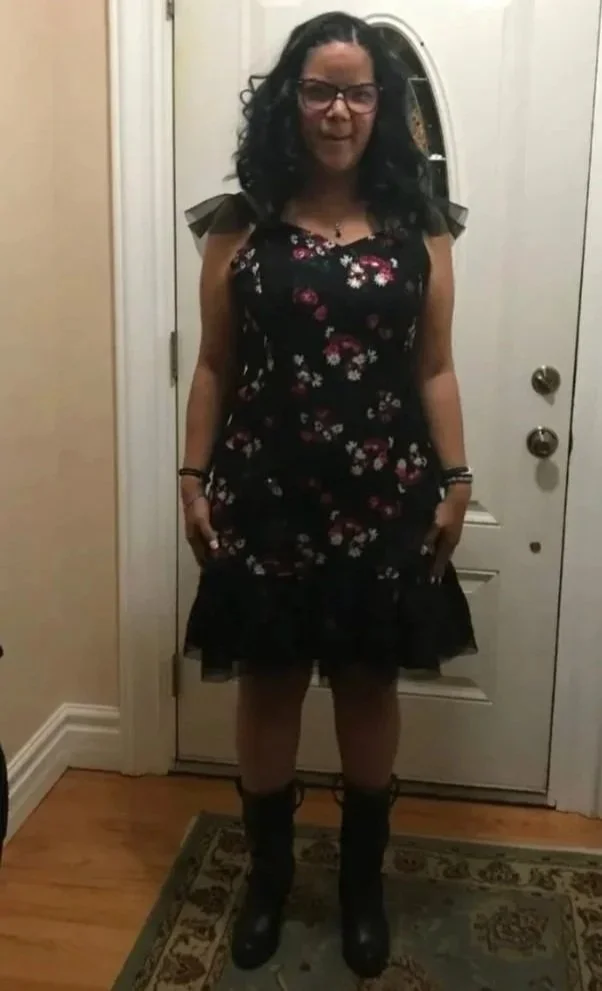
Mariah was born with special needs, and, from early on, we knew she had developmental delays, especially with her speech. But she never let that define her. She worked hard, continued to grow, and constantly surprised us with what she could do.
She was about 90% independent in taking care of herself, only needing occasional reminders for the rest. She could hold conversations in her own unique way, and her personality always shone through. She loved movies, music, and brought so much light and joy into our family. For 25 years, we embraced this life as our normal.
Then everything changed when Mariah’s health suddenly declined. We were concerned. She was first admitted to Sutter Roseville Medical Center in December 2022. Doctors ran test after test, but no one could explain what was happening. She was discharged home, but wasn’t getting better. Within a few weeks in 2023, we took her to Sutter Medical Center, Sacramento. None of us knew that that day would begin an 11-month hospital stay.
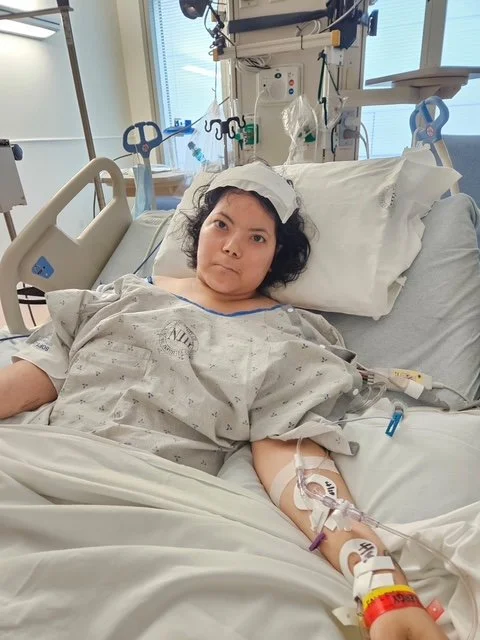
At Sutter Sacramento, Mariah first went through multiple treatments, including IVIg and plasma exchange, as doctors urgently tried to stabilize her and determine if her condition was immune-related. We hoped each new treatment would bring improvement. When those efforts didn’t provide answers, she underwent her first brain biopsy. As a family, we prayed it would finally give us clarity, but we were still left searching.
While Mariah was already in the ICU, she required a feeding tube for nutrition. During such a critical time, the feeding tube was placed incorrectly, causing serious complications and making an already fragile situation even worse. Watching her endure more trauma while she was fighting so hard was heartbreaking. As her family, we felt helpless seeing her suffer and not being able to take the pain away.
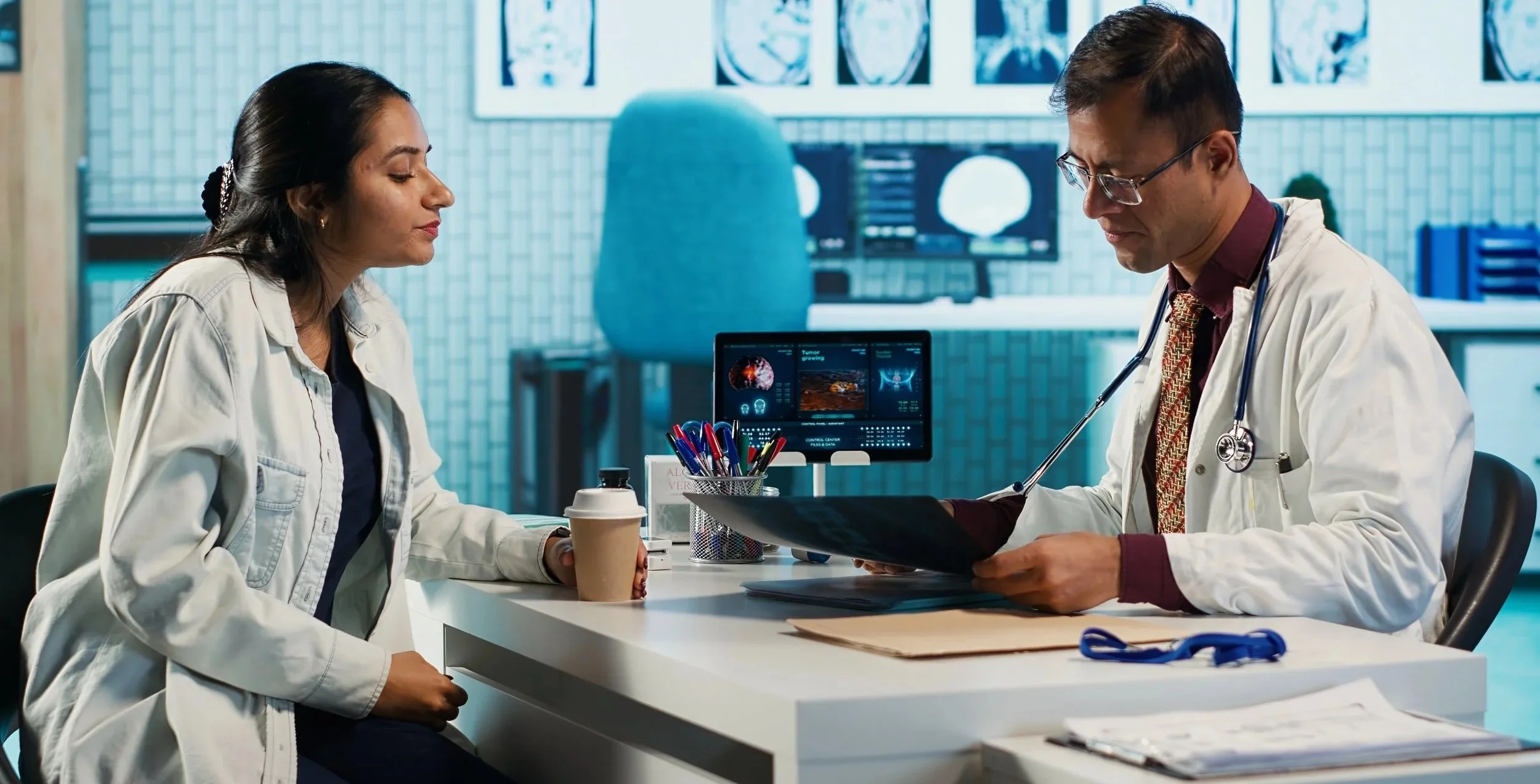
As her condition continued to worsen, she was transferred to UCSF Medical Center, San Francisco, where she remained for 44 days. During that time, she underwent numerous tests and a second brain biopsy. Once again, we held onto hope that this would finally bring answers. And, once again, we were left without clear explanations.
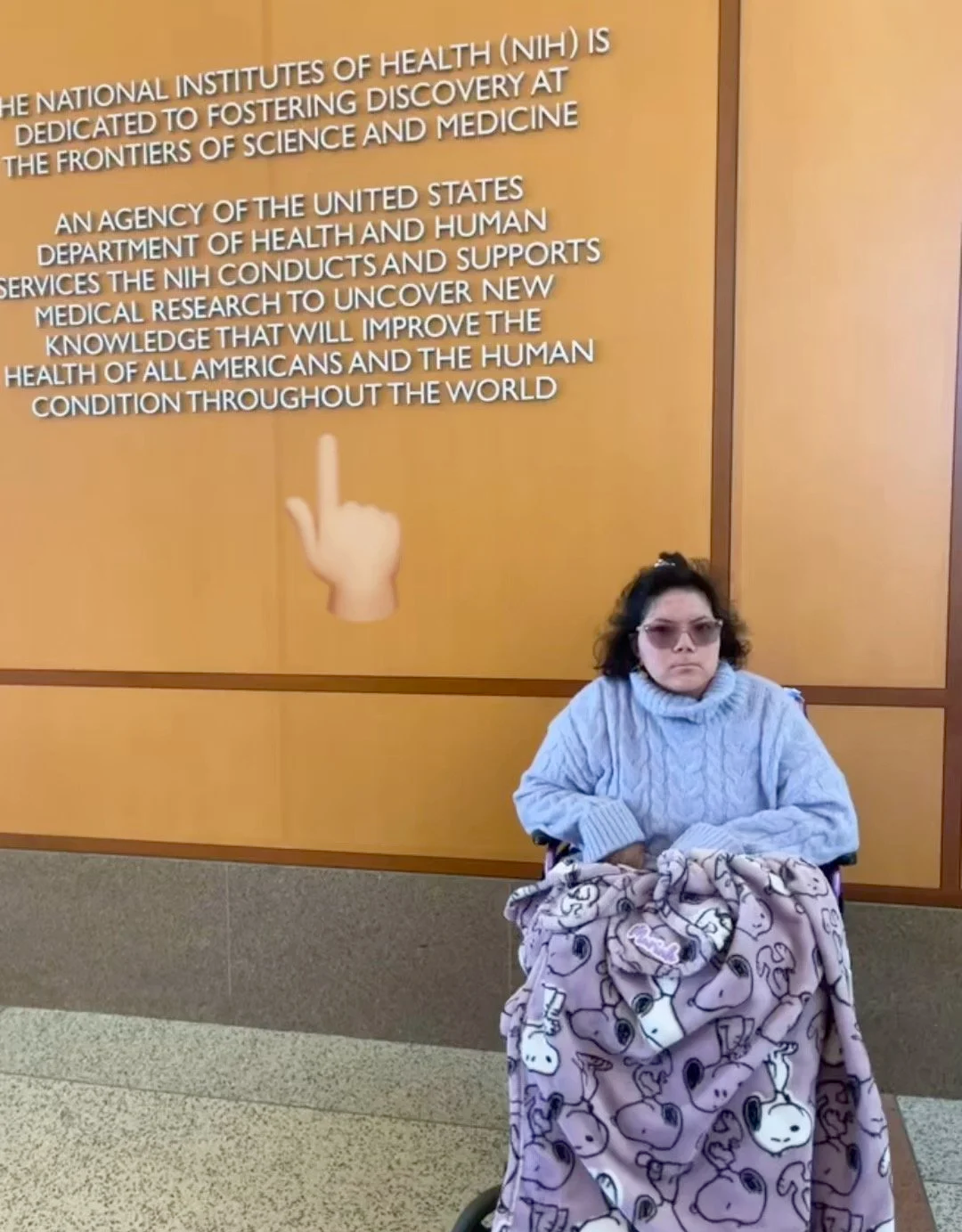
Still determined to find answers, our family took Mariah to the National Institutes of Health (NIH) in Maryland, where she stayed for a month. During that time, she underwent extensive testing, including a third brain biopsy, as part of advanced research into her rare and undiagnosed disease. Even with the nation’s leading experts examining her case, her condition remains complicated, and many questions are still unanswered.
Recently, through genetic testing performed by NIH and UCSF, we learned that Mariah has a rare BCL11B-related disorder — an autosomal dominant intellectual developmental disorder marked by speech delay, distinctive facial features, and T-cell abnormalities. This condition has only been recognized in the medical community for about five years, making it extremely rare and still not fully understood. Doctors believe her severe medical crisis could be associated with this BCL11B disorder, but they cannot say for certain.
As her family, we carry both relief and heartbreak. After finally receiving the BCL11B diagnosis, we have some answers, but those answers also came with the reality that Mariah may never be 90% independent again.
There is comfort in understanding what has been happening to her body. At the same time, there is deep grief in knowing how much of her mobility she has lost and how dependent she now is on us for daily life. We remember the little girl who danced without fear, who moved freely and laughed loudly. That is still who she is.
We are unbelievably proud of the strength she continues to show. Mariah is more than hospital stays, genetic reports, or medical terminology. She is our daughter, our granddaughter, the heartbeat of our family. And when music plays — in our home or in our memories — she is still dancing.
Try Know Rare’s Journaling App!
By capturing your day-to-day experiences on the Healthstory AI journaling app, an AI-powered algorithm will analyze the patterns of your entries and give you a summary report with insights you may not have noticed before.