
The Importance of Social Support in Coping With the Ambiguous Loss of Rare Disease

By Craig Delarge
I regularly get calls from people who find themselves faced suddenly with the challenge of living with or caring for an ill loved one. One of the first pieces of advice I always offer is to seek out and become a part of a peer-support community. Next to a focus on self-care, social support may be the most important factor in successful long-term coping with ambiguous loss (AL)—a sense of loss characterized by uncertainty about the loss of a loved one and/or the life we once knew.
For me, through nearly two decades of caring for an ill loved one, social support has been essential in building my confidence and ability to handle the challenges of AL. Peer-support groups of others who are undergoing similar experiences helped normalize otherwise abnormal situations in which my typical social supports of family, friends, church, and work were not enough. This normalization of the generally abnormal has made all the difference to me in surviving—and at times even thriving—in the face of AL.
Social support can take many different forms. It may be formal, involving therapists, coaches, physicians and other health care providers, and social- and human-services professionals. Less formal support, such as online or in-person peer-support groups—can also be very valuable. As you engage and connect more deeply with your support community, you will become educated, access resources you may not have known about, and derive emotional, spiritual, and psychological support. Over time, you will become a source of education, connection, and support for others.
How does social support impact the quality of life for people facing AL due to a rare disease? A study by Kerrilynn Hall, a PhD student at North Central University, examined the psychosocial impact of sarcoidosis, a rare disease for which there is no known cause. For the study, Hall interviewed 12 people with sarcoidosis about their experiences. The study concluded that the effect of AL on quality of life varies based on a number of factors, including illness severity, the strength of a person’s social support, trust in the health care system, and financial burden. Hall found that many of the people she interviewed for her study felt their families did not understand what they were going through. Loved ones’ misperceptions about the disease can make it even more difficult for patients to cope with illness. Finding social support outside the home may be especially important for people in situations like this.
Though we cannot undo our loss, we can grow with it. Social support is but one element of successfully dealing with AL. To help you build your resilience and ability to cope in the face of AL, I recommend that you:
Seek social support via “connected communities” of professionals and peers
Develop ease with imperfection through an acceptance of loss and ambiguity
Master (skillfully manage) the elements of your situation that can be controlled
Employ the techniques of mindfulness (nonjudgmentally paying attention) and storytelling (sharing common experiences to make meaning)
My hope is that you and your beloved community will be well and resilient as you learn to cope with your own AL.
Rare Disease Organizations:
National Organization for Rare Disorders: https://rarediseases.org/
Rare Advocacy Movement: https://www.rareadvocacymovement.com/
Global Genes: https://globalgenes.org/
About the Author
קרייג א. דה-לארג' הוא אסטרטג בריאות דיגיטלית, תומך בבריאות הנפש, מחנך, פרופסור ומאמן מנהיגות. הוא עובד לשיפור הבריאות ופיתוח מנהיגים, כיום ב-WiseWorking Leadership Coaching, LLC, ב-The Digital Mental Health Project ובאוניברסיטת טמפל. הוא מתגורר בפילדלפיה.
Latest From Know Rare

In children, ITP is more often diagnosed during the fall and winter. This pattern suggests that infections or environmental factors, such as viruses or some vaccines, may trigger the immune system to attack platelets. Researchers wondered if the time of year also affected when adults develop ITP.
From prenatal uncertainty and postpartum anxiety to therapy, grief, and hope, a mother shares her experience raising a child with a rare disease, navigating the healthcare system, finding community, and learning to embrace a different—but deeply meaningful—path as a parent.

A Danon disease study, led by researcher Dr. Barry Greenberg and published in the New England Journal of Medicine, wins an award! The study focuses on gene therapy as a potential treatment option for Danon disease. The study showed early signs that gene therapy may help the hearts of people with Danon disease.
A poster, presented at the European Hematology Association meeting in June, described a study that looked at tiredness (fatigue) in adults with immune thrombocytopenia (ITP). Researchers wanted to see if fatigue was related to bleeding or other health test results.
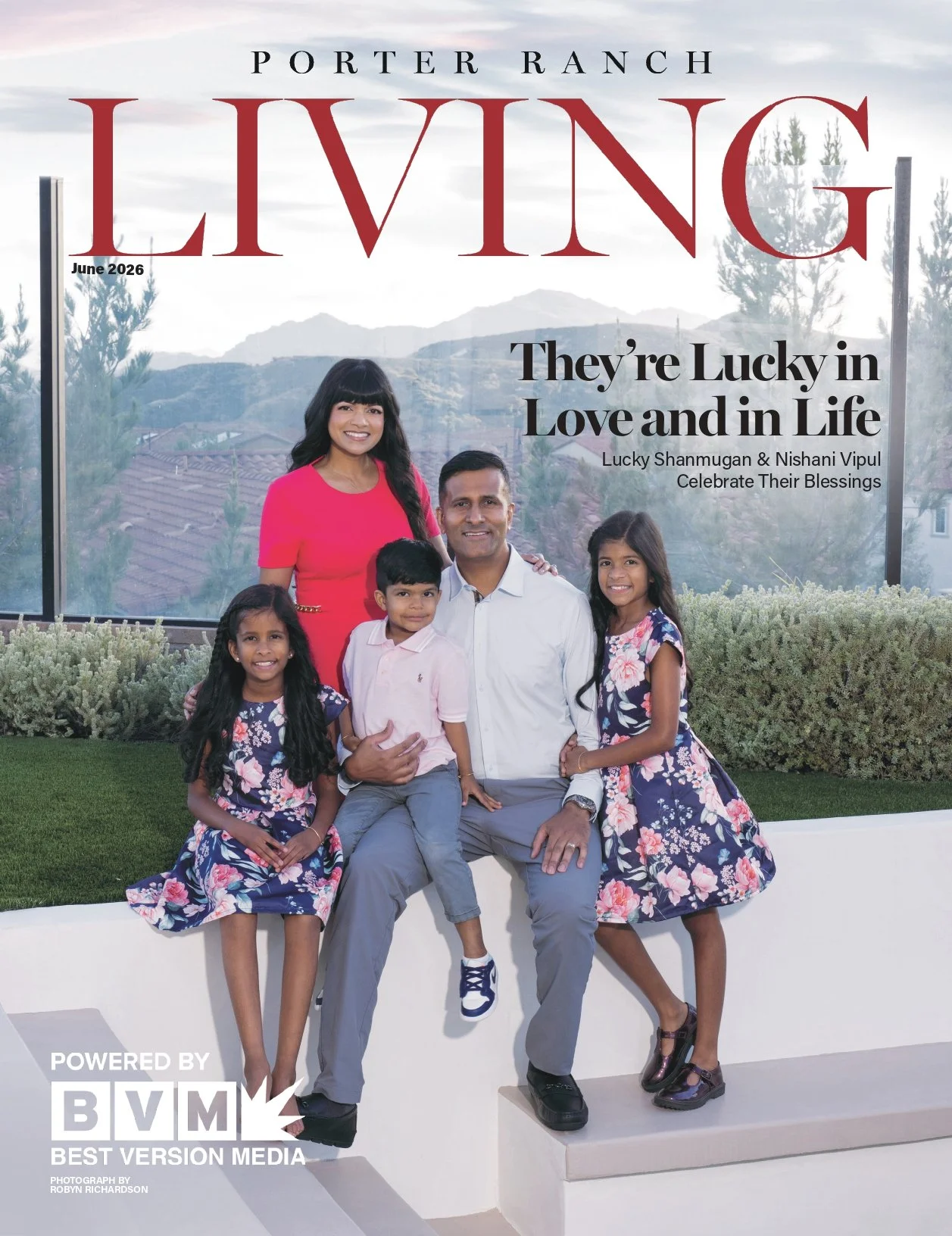
Lucky Shanmugan was recently featured in Porter Ranch Living, his local magazine, for Father’s Day: in his interview, Lucky talks about Osteogenesis Imperfecta, a rare genetic or heritable disorder of the connective tissue, and the incredible journey towards his official diagnosis.
Here are 9 things Chris Anselmo wishes someone had told him after his rare disease diagnosis.


הקשיים והחוסן של משפחה במציאת תשובות ואבחון עבור ילדם, לאחר בדיקות רבות, ביופסיות מוח ואשפוזים. וההקלה אך גם הצער שבסוף נתן שם למחלה הנדירה שמשפיעה על ילדם: הפרעה הקשורה ל-BCL11B.
קרן דנון מעצימה באומץ אנשים החיים עם מחלת דנון, ומספקת מידע, משאבים ותמיכה מהימנים שיעזרו להם לנווט בחיים, החל מאבחון ועד טיפול.
עבור משפחות רבות, טיפול בילד עם מצב רפואי נדיר או מורכב הוא עבודה במשרה מלאה. הבעיה היא שמדובר בעבודה ללא הכשרה, ללא זמן חופש וללא תיאור תפקיד ברור. אם אתם מחפשים את האור בקצה המנהרה, אתם לא צריכים לחפש לבד. בדקו כמה מהמשאבים האהובים על פייג'.
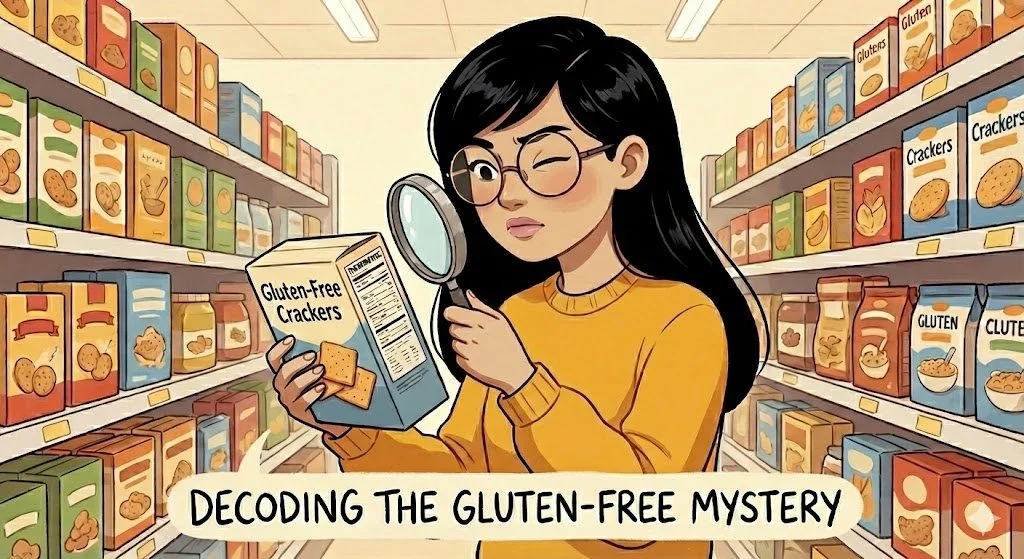
For most of celiacs, despite months on a strict GF diet, energy stays low and blood work reveals nutrient deficiencies. The lesson? A "gluten-free" label isn't a health guarantee—just a guarantee you'll pay more.

אם נאמר לך שיש לך NMOSD סרו-נגטיבי, יש סיכוי של כמעט 50/50 שיש לך נוגדן אחר הגורם לתסמינים שלך - נוגדן MOG.
טיפול ליד מי הוא שירות בריאות הנפש הארצי הממוקם באוסטרליה, המספק גישה נוחה לפסיכולוגים, יועצים, אנשי מקצוע בתחום תמיכה התנהגותית ועובדים סוציאליים.

בשבוע הכליות השנתי של האגודה האמריקאית לנפרולוגים (ASN), ארגון אנשי המקצוע הגדול בעולם בתחום בריאות הכליות, הודגשו התקדמויות חדשות במחקר. למעלה מ-35 מיליון דולר הושקעו במחקר עם ה-ASN, וישנם טיפולים רבים בפיתוח עבור נפרופתיה מסוג IgA (IgAN), כאשר חוקרים חוקרים באופן פעיל יותר מ-20 תרופות שונות.
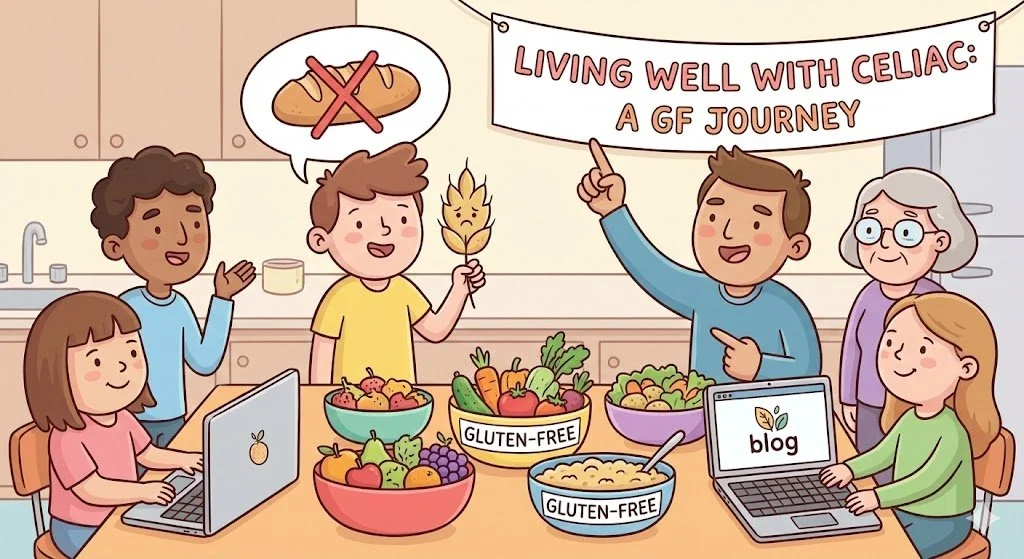
כשאובחנתי כחולת צליאק, חשבתי שהימנעות מלחם ופסטה תספיק. מהר מאוד למדתי שחיים אמיתיים ללא גלוטן הם הרבה יותר מורכבים, ואני משתפת את החוויה שלי כדי לעזור לאנשים שאובחנו לאחרונה להבין מה צופן להם העתיד.

רטינופתיה היא בעיית עיניים שרבים מהאנשים הסובלים ממחלת דנון סובלים ממנה. היא עלולה לגרום לכתמים כהים בחלק החיצוני של העין, ראייה מטושטשת או גרועה יותר, ותוצאות חריגות בבדיקת עיניים. לעיתים שינויים אלו בעיניים מופיעים לפני בעיות לב, כך שבדיקת עיניים יכולה לעזור לאתר את המחלה מוקדם.

A heartfelt story about a mother who found purpose and strength among the tragedy of losing a child diagnosed with an ultra rare genetic disorder.

קאיה גירל מורשת בע"מ היא עמותה ללא מטרות רווח שבסיסה בפלורידה שנוסדה לזכרה של קאיה האמברט, תינוקת יפהפייה שנולדה עם תסמונת אי ספינגוזין פוספט ליאז (SPLIS) , אחת מ-46 מקרים ידועים ברחבי העולם. הקרן מוקדשת להעצמת משפחות עם ידע על בריאותן הגנטית ולקידום גישה מוקדמת לבדיקות גנטיות ומודעות למחלות נדירות.


לורה, אמא נדירה, משתפת כיצד ההכנות המשפחתיות שלה לליל כל הקדושים הפכו לפרץ של אהבה ויצירתיות משפחתיות, כשכולן עבדו יחד בעיצוב ובניית תחפושת לאלדן, בנה הסובל מבעיות רפואיות מורכבות.
במקום להתחיל עם תרכובת תרופתית חדשה שהתגלתה, PCOR הוא סוג של מחקר שמתחיל בפנייה למטופלים ולמטפלים ושואלים, מה הכי חשוב לכם? אילו שאלות אנחנו רוצים לקבל תשובות? אילו תסמינים היינו רוצים שיטופלו טוב יותר? מה משאיר אותנו ערים בלילה?

לפני ארבע שנים, חייו של מייקל גריווס השתנו לפתע כאשר נודע לו שהוא סובל מתסמונת ברוגדה, הפרעה גנטית שבה הפעילות החשמלית של הלב אינה תקינה עקב צ'אנלופתיה. למדו עוד על סיפורו.

עייפות היא תסמין נפוץ מאוד ולעתים קרובות מחליש של IgAN. היא קשורה להתקדמות המחלה ולתפקוד כלייתי מופחת, אך גורמים אחרים כמו דלקת, אנמיה ובריאות נפשית גם הם משחקים תפקיד. במחקר משנת 2025, רוב החולים עם IgAN דיווחו על עייפות, וחולים עם פרוטאינוריה חמורה יותר וקצב סינון כלייתי נמוך יותר (eGFR) חוו עייפות גרועה יותר.

מדוע כל כך קשה לקבל עזרה? בני אדם מקשרים לעתים קרובות עזרה עם חולשה ואובדן עצמאות ושליטה. עם זאת, אם ננסח מחדש את מחשבותינו, ניתן לראות קבלת עזרה כצורה של העצמה: גילוי פגיעות וסמכות על מישהו שיעזור לנו דורשים כוח רב.

יש כל כך הרבה עומס נפשי כשמדובר במחלה נדירה. לינדזי, אדם נדיר, משתפת בדברים שכבר לא אכפת לה מהם, בזמן שהיא מטפלת בתסמיני מחלות נדירות, מומחים וניסויים קליניים.

לינדזי, אדם נדיר, משתפת את "הצדדים החיוביים" שלה. זה לא "מה שלא הורג אותך מחזק אותך", אלא מה שלא הורג אותך מחזק אותך. היא משתפת שמצאה קשרים עמוקים יותר עם אחרים, שיפרה את יכולתה לבקש ולקבל עזרה, ולא פחדה כל כך מהמילה "לא".


העיתונאית והפעילה למחלות נדירות, לינדזי גוונטזל, מפרקת מדוע ניסויים קליניים הם גלגל הצלה עבור קהילת המחלות הנדירות. כיוון שרק ל-5% מהמחלות הנדירות הידועות יש טיפול שאושר על ידי ה-FDA, ניסויים קליניים מייצגים לעתים קרובות את הדרך היחידה לטיפול, התקדמות ותקווה.

Lindsay was diagnosed with dermatomyositis a couple of years ago. Since then, she has undergone more than 350 doctor appointments, 250+ hours of infusions, 10+ ER visits, while juggling insurance approvals, rides, and her pain and fatigue.
 קרייג דלרג'
קרייג א. דה-לארג' הוא אסטרטג בריאות דיגיטלית, תומך ומחנך בתחום בריאות הנפש, ופרופסור ומאמן מנהיגות. הוא עובד לשיפור הבריאות ופיתוח מנהיגים, כיום ב-WiseWorking Leadership Coaching, LLC, ב-The Digital Mental Health Project ובאוניברסיטת טמפל. הוא מתגורר בפילדלפיה.