
News in ITP: Studying Fatigue in Long-Term ITP

A poster, presented at the European Hematology Association meeting in June, described a study that looked at tiredness (fatigue) in adults with immune thrombocytopenia (ITP). Researchers wanted to see if fatigue was related to bleeding or other health test results.
What They Did
Adults with long-term ITP took surveys about:
How tired they felt;
How fatigue affected their daily lives;
Their quality of life;
How much bleeding they had.
Researchers also looked at blood test results and other health information.
What They Found
97 people took part in the study;
The average age was 54 years old;
About 65% were women;
Most had been living with ITP for about 10 years;
Most were receiving treatment for ITP;
Most had platelet counts and other blood test results that were in a normal or healthy range;
Bleeding was very low in most patients.
Even though many patients had good test results and little bleeding:
The average fatigue score showed that many people still felt tired;
About 1 in 4 patients reported severe fatigue;
Half of the patients reported at least moderate fatigue.
Fatigue was strongly linked to:
Feeling physically tired because of ITP or its treatment;
Emotional and mental health challenges.
Fatigue was not linked to iron levels or other iron-related blood tests.
Conclusion
Many people with ITP still experience significant fatigue, even when their platelet counts are good and they are not bleeding much. More research is needed to understand why fatigue happens and how to treat it better.
If you want to know how severe your fatigue is, you can take the same survey used in the study on our HealthStory AI app. If you take it several times, the app will summarize your scores for you and give you insights about your fatigue.
Source:
Poster presentation in Platelet Disorders during EHA2026: June 11, 2026, 08:00 CEST. Abstract: EHA-3121 Short: PF1348, Title: FATIGUE IN ADULTS WITH IMMUNE THROMBOCYTOPENIA (ITP): A CROSS-SECTIONAL OBSERVATIONAL STUDY.
Latest from Know Rare

In children, ITP is more often diagnosed during the fall and winter. This pattern suggests that infections or environmental factors, such as viruses or some vaccines, may trigger the immune system to attack platelets. Researchers wondered if the time of year also affected when adults develop ITP.
From prenatal uncertainty and postpartum anxiety to therapy, grief, and hope, a mother shares her experience raising a child with a rare disease, navigating the healthcare system, finding community, and learning to embrace a different—but deeply meaningful—path as a parent.

A Danon disease study, led by researcher Dr. Barry Greenberg and published in the New England Journal of Medicine, wins an award! The study focuses on gene therapy as a potential treatment option for Danon disease. The study showed early signs that gene therapy may help the hearts of people with Danon disease.

A poster, presented at the European Hematology Association meeting in June, described a study that looked at tiredness (fatigue) in adults with immune thrombocytopenia (ITP). Researchers wanted to see if fatigue was related to bleeding or other health test results.
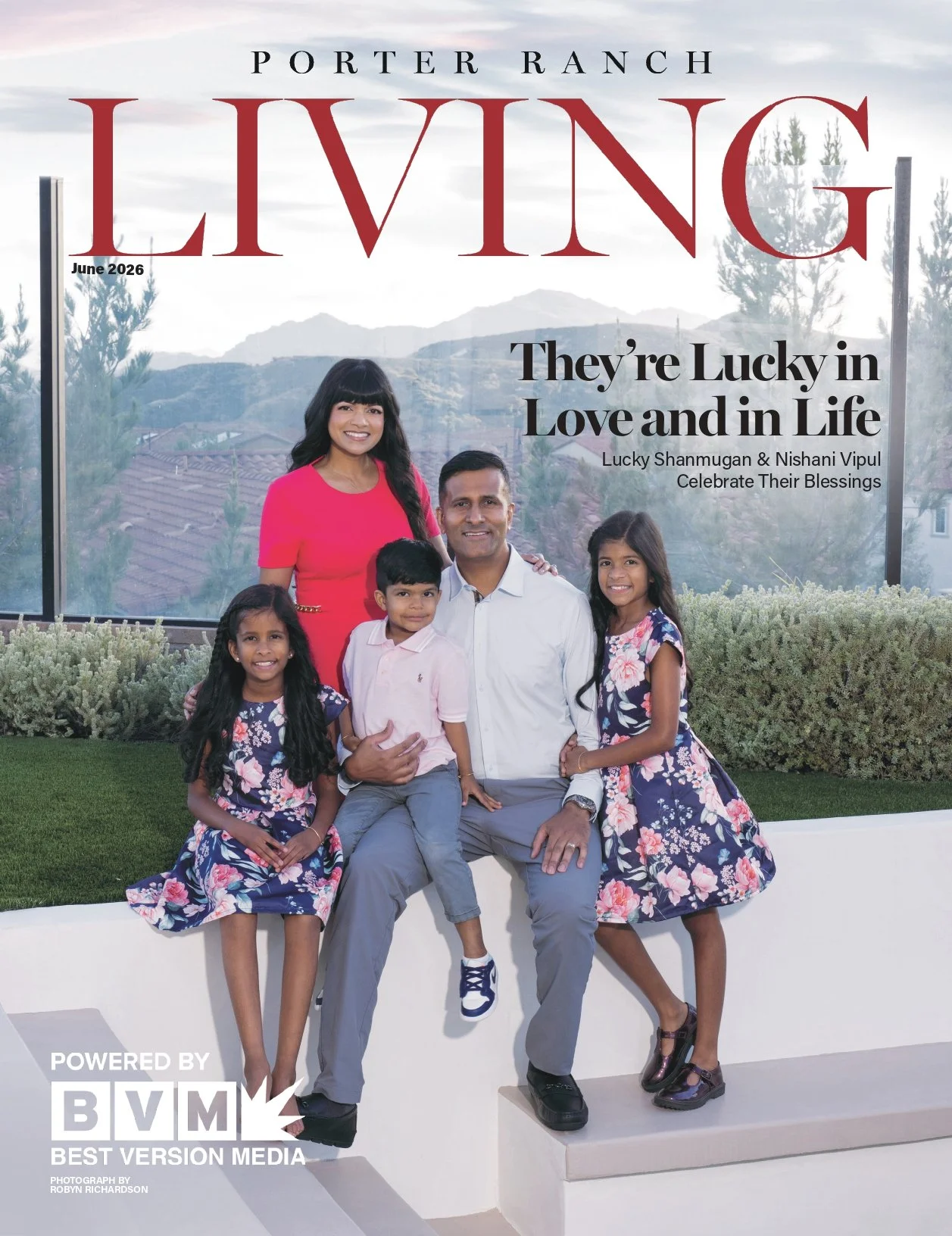
Lucky Shanmugan was recently featured in Porter Ranch Living, his local magazine, for Father’s Day: in his interview, Lucky talks about Osteogenesis Imperfecta, a rare genetic or heritable disorder of the connective tissue, and the incredible journey towards his official diagnosis.

Here are 9 things Chris Anselmo wishes someone had told him after his rare disease diagnosis.


Las dificultades y la fortaleza de una familia a la hora de buscar respuestas y obtener un diagnóstico para su hijo, tras numerosas pruebas, biopsias cerebrales y hospitalizaciones. Y el alivio, pero también el dolor, al poder finalmente ponerle nombre a la enfermedad rara que afecta a su hijo: el trastorno relacionado con el gen BCL11B.
La Fundación Danon apoya decididamente a las personas que padecen la enfermedad de Danon, proporcionándoles información fiable, recursos y apoyo para ayudarles a afrontar la vida, desde el diagnóstico hasta el tratamiento.
For many families, caregiving for a child with a rare or medically complex condition is a full-time job. The problem is, it’s a job with no training, no time off, and no clear job description. If you’re looking for the light at the end of the tunnel, you don’t have to search alone. Check out some of Paige’s favorite resources.

For most of celiacs, despite months on a strict GF diet, energy stays low and blood work reveals nutrient deficiencies. The lesson? A "gluten-free" label isn't a health guarantee—just a guarantee you'll pay more.

Si te han dicho que padeces NMOSD seronegativa, hay casi un 50 % de probabilidades de que sea otro anticuerpo el que provoque tus síntomas: el anticuerpo MOG.
Therapy Near Me es un servicio de salud mental de ámbito nacional con sede en Australia que facilita el acceso a psicólogos, terapeutas, especialistas en apoyo conductual y trabajadores sociales.

En la edición anual de la «Kidney Week» de la Sociedad Americana de Nefrólogos (ASN), la mayor organización mundial de profesionales sanitarios especializados en nefrología, se presentaron los últimos avances en investigación. Se han invertido más de 35 millones de dólares en investigación con la ASN, y hay numerosos tratamientos en fase de desarrollo para la nefropatía por IgA (IgAN), con investigadores que estudian activamente más de 20 fármacos diferentes.
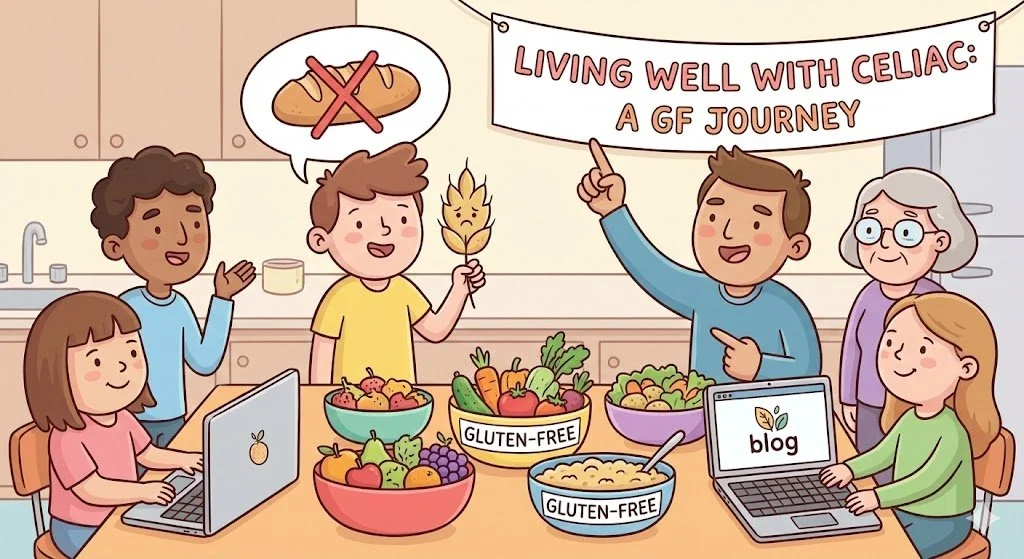
Cuando me diagnosticaron la enfermedad celíaca, pensé que bastaría con evitar el pan y la pasta. Pronto me di cuenta de que llevar una vida verdaderamente sin gluten es mucho más complicado, y comparto mi experiencia para ayudar a las personas recién diagnosticadas a comprender lo que les espera.

La retinopatía es un problema ocular que padecen muchas personas con la enfermedad de Danon. Puede provocar manchas oscuras en la parte exterior del ojo, visión borrosa o empeoramiento de la visión, y resultados anormales en un examen oftalmológico. A veces, estos cambios oculares aparecen antes que los problemas cardíacos, por lo que un examen oftalmológico puede ayudar a detectar la enfermedad en una fase temprana.

A heartfelt story about a mother who found purpose and strength among the tragedy of losing a child diagnosed with an ultra rare genetic disorder.

Kaya Girl Legacy, Inc. es una organización sin ánimo de lucro con sede en Florida, fundada en memoria de Kaya Humbert, una preciosa niña que nació con el síndrome de insuficiencia de esfingosina fosfato liasa (SPLIS), uno de los 46 casos conocidos en todo el mundo. La fundación se dedica a empoderar a las familias proporcionándoles información sobre su salud genética, así como a promover el acceso temprano a las pruebas genéticas y la sensibilización sobre las enfermedades raras.

Un poema en prosa de Jim Kuhn, un valiente luchador que vive con sarcoidosis, una enfermedad inflamatoria poco común.

Laura, de Rare Mom, nos cuenta cómo los preparativos de su familia para Halloween se convirtieron en una explosión de amor y creatividad familiar, ya que todos colaboraron en el diseño y la confección de un disfraz para Alden, su hijo con una enfermedad compleja.

En lugar de partir de un compuesto farmacológico recién descubierto, la investigación orientada al paciente (PCOR) es un tipo de investigación que comienza por dirigirse a los pacientes y a sus cuidadores y preguntarles: «¿Qué es lo que más les importa?», «¿Qué preguntas quieren que se respondan?», «¿Qué síntomas desearían que se controlaran mejor?» y «¿Qué les quita el sueño?».

Four years ago, Michael Grivas’ life suddenly changed when he learned that he had Brugada Syndrome, a genetic disorder in which the electrical activity of the heart is abnormal due to channelopathy. Learn more about his story.

Fatigue is a very common and often debilitating symptom of IgAN. It is linked to disease progression and reduced kidney function, but other factors like inflammation, anemia, and mental health also play a role. In a 2025 study, the majority of patients with IgAN reported fatigue, and patients with more severe proteinuria and lower kidney filtration rates (eGFR) experienced worse fatigue.

¿Por qué nos cuesta tanto aceptar ayuda? A menudo, las personas asociamos la ayuda con la debilidad y la pérdida de independencia y control. Sin embargo, si cambiamos nuestra forma de pensar, aceptar ayuda puede considerarse una forma de empoderamiento: mostrar vulnerabilidad y confiar en alguien para que nos ayude requiere una gran fortaleza.

Tener una enfermedad rara supone una carga mental enorme. Rare Human Lindsay cuenta que hay cosas que ya no le importan, mientras se ocupa de los síntomas de su enfermedad rara, de los especialistas y de los ensayos clínicos.

Lindsay, de Rare Human, comparte sus «aspectos positivos». No se trata de que «lo que no te mata te hace más fuerte», sino de que lo que no te mata te hace más valiente. Nos cuenta que ha establecido vínculos más profundos con los demás, ha mejorado su capacidad para pedir y aceptar ayuda, y ya no le da tanto miedo la palabra «no».


La periodista y defensora de las enfermedades raras Lindsay Guentzel explica por qué los ensayos clínicos son un salvavidas para la comunidad de personas afectadas por enfermedades raras. Dado que solo el 5 % de las enfermedades raras conocidas cuenta con un tratamiento aprobado por la FDA, los ensayos suelen ser la única vía hacia el tratamiento, el progreso y la esperanza.

Lindsay was diagnosed with dermatomyositis a couple of years ago. Since then, she has undergone more than 350 doctor appointments, 250+ hours of infusions, 10+ ER visits, while juggling insurance approvals, rides, and her pain and fatigue.