Embrace your Rare Truth: Becky's Rare Tip on Finding the Right Support
A fellow rare caregiver: “I am struggling a lot with feelings of isolation. The sad truth is that I shared my heart with those closest to me and just came away feeling even more alone. They had the best of intentions but nobody yet is supporting me in the way I need. Should I just stop looking for help? Maybe I would be better off that way?”
Becky’s response: I want to start by saying that when the unthinkable happens and your whole world feels turned upside down, it is totally natural to need someone by your side. When what you see up ahead feels way too enormous and scary to manage by yourself, it can leave you feeling lonely and vulnerable. There can be a lot of trial and error involved before you finally find the one who finally hears you and tells you those words you long to hear.
It is okay to feel it, ALL of it, to dive right into the good, the bad, and the ugly of what you are going through. Accept with love for yourself that it is all a natural part of the process on your journey. To healing, growth, and acceptance.
“When we decide at our very weakest points to be strong, to keep putting our feet on the floor every morning, and stand tall to face another day, we become the hero of our story.”
I think the key word here is acceptance as you cannot process what you don't accept as part of your story. I had to accept the heavy, painful, tearful weight of guilt I carried as a result of passing on a rare syndrome to two of my three beautiful children. Through acceptance, I could become the hero of my own story. Compassionate insights from a genetics counselor were extremely helpful for me. She gave me permission to feel and accept the dark depths of my raw emotions, my guilt, and my trauma; and, with acceptance was healing, from which I rose with an inner strength that I never knew existed. It was always laying dormant within me, I had just never had life shake me up enough to need to use it. When we decide at our very weakest points to be strong, to keep putting our feet on the floor every morning, and to stand tall to face another day, we become the hero of our story. That is a gift we can only give ourselves and our rare and wonderful children who need us most.
The most important people you can meet in this life are not the ones who make it all feel better at the moment. Instead, the ones that serve as a powerful reminder that you already have it within you to be who both you and your family need to thrive. By embracing and living the real truth about yourself and fully exploring all you can become, you will see that you are the constant companion you need most. Not only that, you will find those genuine friendships and connections that you longed for. You will find people that are able to relate and connect to the real you and meet you where you are at. You and your family are never completely alone on your rare journey as long as you truly have your own love and support. Not only that, but the wonderful, memorable one-of-a-kind, diamonds in the dirt, rare partners who soon teach you that you are so much more capable than the person you once were.
Your tribe is out there and only the raw truth of who you are will draw them to you. Dare to speak your truth and share your story, as in doing so lonely isolation will be replaced with authentic connection and you can be the voice reminding someone else in their darkest times, that they too are never alone.
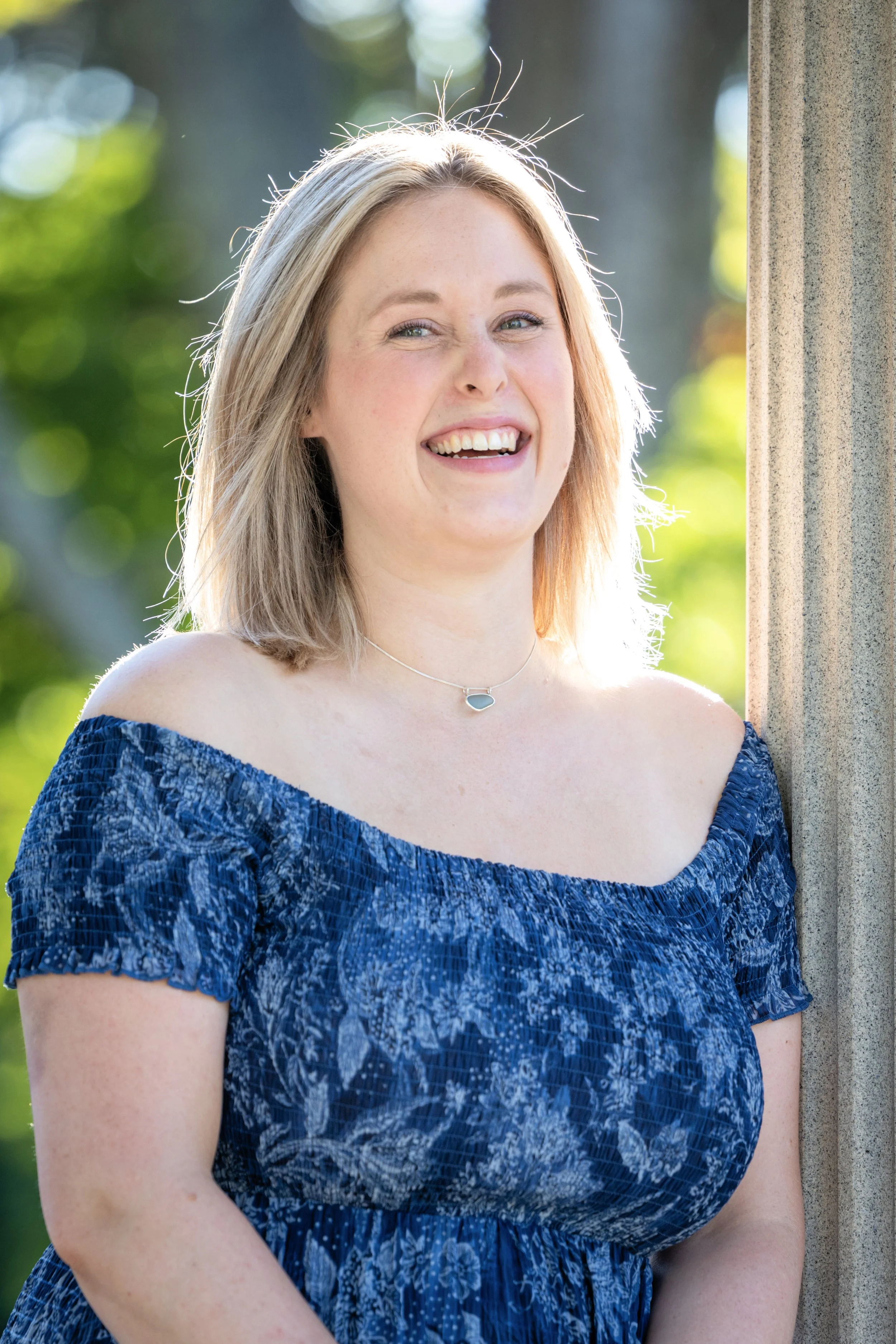
Becky shares her experience living with and parenting kids with Koolen-de Vries Syndrome. Click here to access the full article!
Latest From Know Rare
In children, ITP is more often diagnosed during the fall and winter. This pattern suggests that infections or environmental factors, such as viruses or some vaccines, may trigger the immune system to attack platelets. Researchers wondered if the time of year also affected when adults develop ITP.
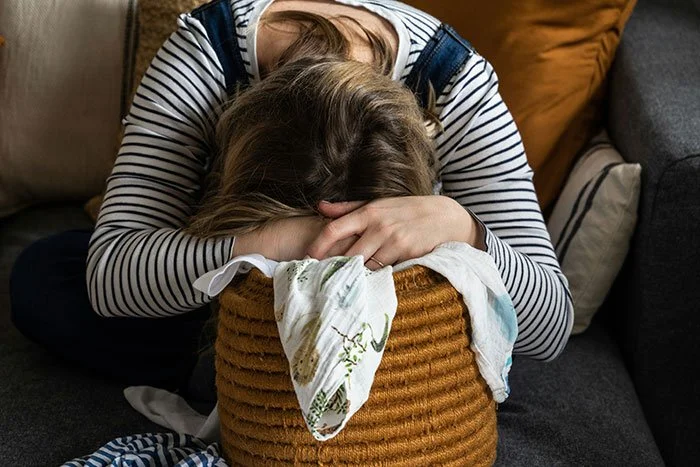
From prenatal uncertainty and postpartum anxiety to therapy, grief, and hope, a mother shares her experience raising a child with a rare disease, navigating the healthcare system, finding community, and learning to embrace a different—but deeply meaningful—path as a parent.
A Danon disease study, led by researcher Dr. Barry Greenberg and published in the New England Journal of Medicine, wins an award! The study focuses on gene therapy as a potential treatment option for Danon disease. The study showed early signs that gene therapy may help the hearts of people with Danon disease.
A poster, presented at the European Hematology Association meeting in June, described a study that looked at tiredness (fatigue) in adults with immune thrombocytopenia (ITP). Researchers wanted to see if fatigue was related to bleeding or other health test results.
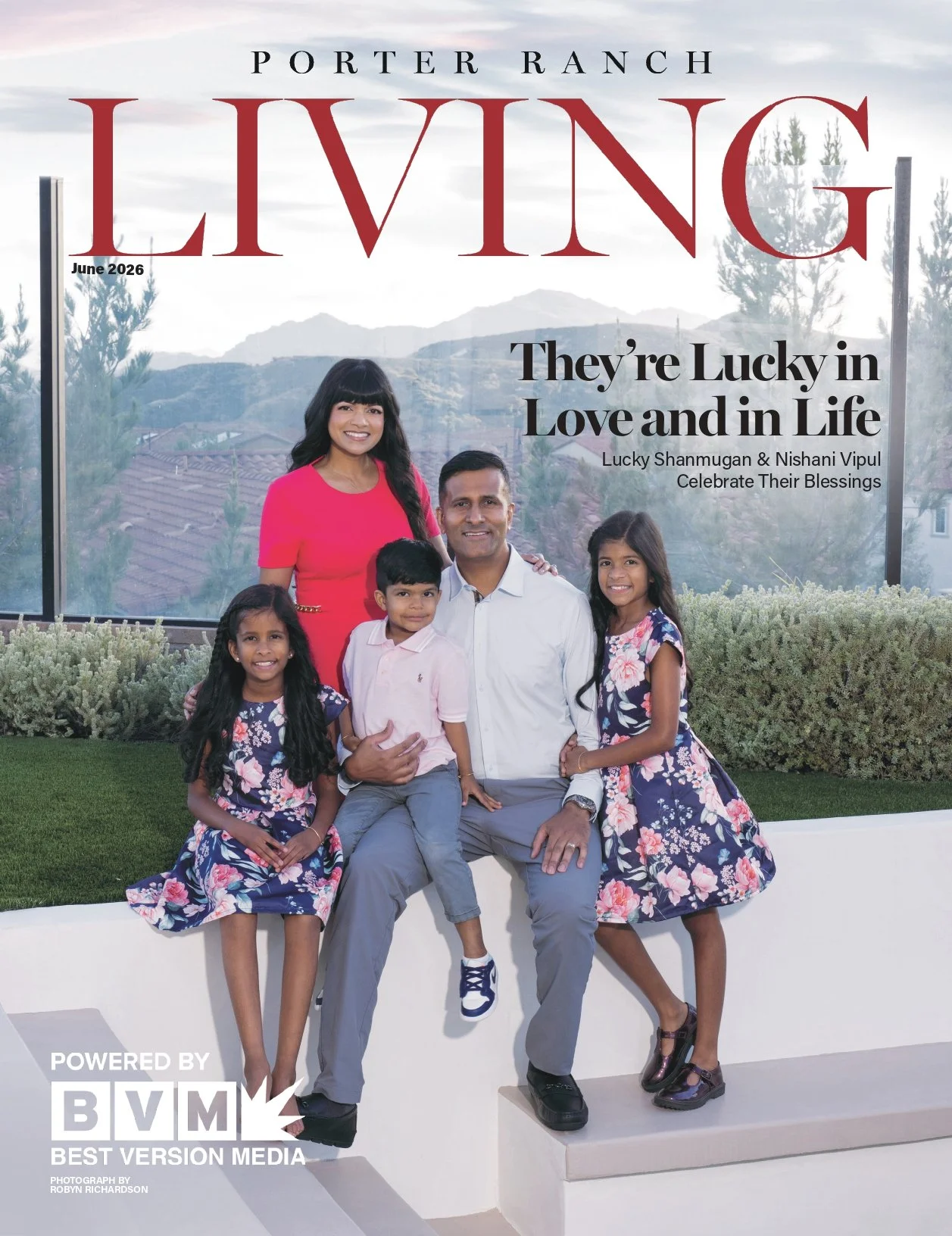
Lucky Shanmugan was recently featured in Porter Ranch Living, his local magazine, for Father’s Day: in his interview, Lucky talks about Osteogenesis Imperfecta, a rare genetic or heritable disorder of the connective tissue, and the incredible journey towards his official diagnosis.
Here are 9 things Chris Anselmo wishes someone had told him after his rare disease diagnosis.
Die Schwierigkeiten und die Widerstandsfähigkeit einer Familie bei der Suche nach Antworten und einer Diagnose für ihr Kind nach zahlreichen Tests, Gehirnbiopsien und Krankenhausaufenthalten. Und die Erleichterung, aber auch die Trauer, als endlich ein Name für die seltene Krankheit gefunden wurde, an der ihr Kind leidet: BCL11B-bezogene Störung.
Die Danon Foundation unterstützt Menschen, die mit der Danon-Krankheit leben, auf mutige Weise und stellt ihnen zuverlässige Informationen, Ressourcen und Unterstützung zur Verfügung, um ihnen zu helfen, ihr Leben von der Diagnose bis zur Behandlung zu meistern.
Für viele Familien ist die Betreuung eines Kindes mit einer seltenen oder medizinisch komplexen Erkrankung eine Vollzeitbeschäftigung. Das Problem ist, dass es sich um eine Tätigkeit handelt, für die es keine Ausbildung, keine Freizeit und keine klare Stellenbeschreibung gibt. Wenn Sie nach dem Licht am Ende des Tunnels suchen, müssen Sie nicht alleine suchen. Schauen Sie sich einige von Paiges Lieblingsressourcen an.
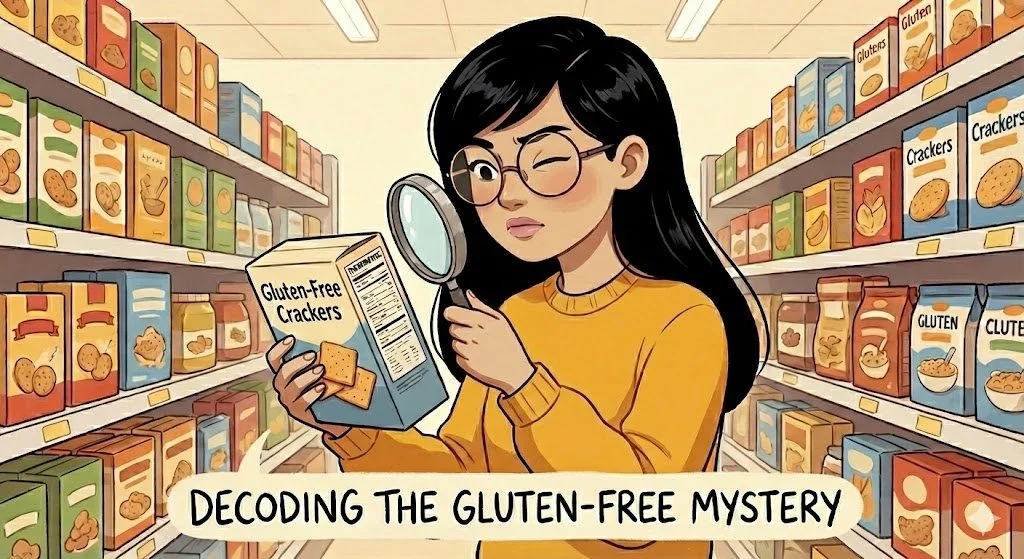
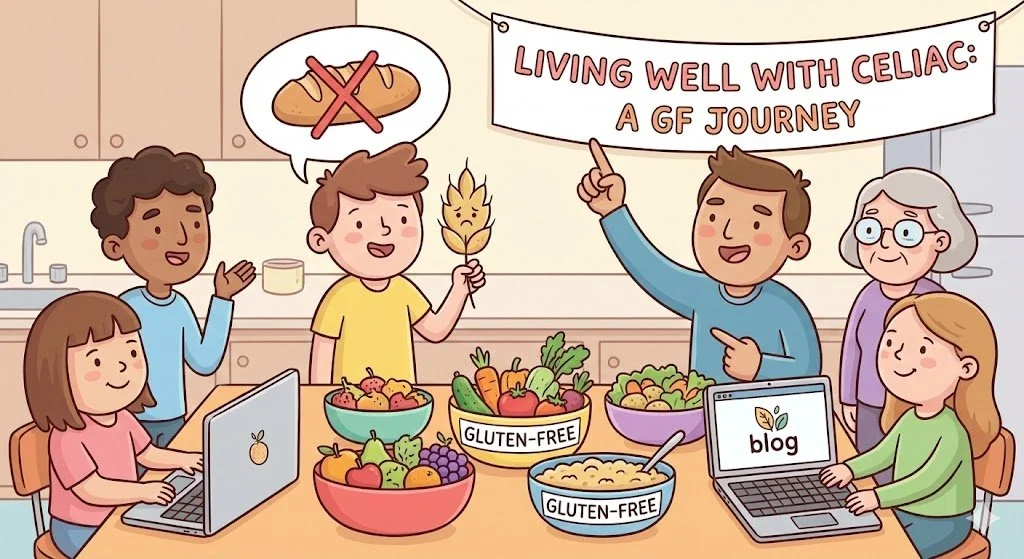
For most of celiacs, despite months on a strict GF diet, energy stays low and blood work reveals nutrient deficiencies. The lesson? A "gluten-free" label isn't a health guarantee—just a guarantee you'll pay more.
Wenn Ihnen mitgeteilt wurde, dass Sie an seronegativer NMOSD leiden, besteht eine Wahrscheinlichkeit von fast 50:50, dass Ihre Symptome durch einen anderen Antikörper verursacht werden – den MOG-Antikörper.
Therapy Near Me ist ein landesweiter Dienstleister für psychische Gesundheit mit Sitz in Australien, der einen einfachen Zugang zu Psychologen, Beratern, Verhaltenstherapeuten und Sozialarbeitern bietet.
Auf der jährlichen Kidney Week der American Society of Nephrologists (ASN), der weltweit größten Fachorganisation für Nierengesundheit, wurden neue Fortschritte in der Forschung vorgestellt. Über 35 Millionen Dollar wurden in die Forschung mit der ASN investiert, und es befinden sich zahlreiche Therapien für IgA-Nephropathie (IgAN) in der Entwicklung, wobei Forscher mehr als 20 verschiedene Medikamente aktiv untersuchen.
Als bei mir Zöliakie diagnostiziert wurde, dachte ich, es würde ausreichen, Brot und Nudeln zu meiden. Ich habe jedoch schnell gelernt, dass ein wirklich glutenfreies Leben weitaus komplexer ist, und ich teile meine Erfahrungen, um neu diagnostizierten Menschen zu helfen, zu verstehen, was auf sie zukommt.
Retinopathie ist eine Augenerkrankung, die bei vielen Menschen mit Danon-Syndrom auftritt. Sie kann dunkle Flecken im äußeren Teil des Auges, verschwommenes Sehen oder eine Verschlechterung des Sehvermögens sowie ungewöhnliche Ergebnisse bei Augenuntersuchungen verursachen. Manchmal treten diese Augenveränderungen vor Herzproblemen auf, sodass eine Augenuntersuchung dazu beitragen kann, die Krankheit frühzeitig zu erkennen.
A heartfelt story about a mother who found purpose and strength among the tragedy of losing a child diagnosed with an ultra rare genetic disorder.
Kaya Girl Legacy, Inc. ist eine in Florida ansässige gemeinnützige Organisation, die in Gedenken an Kaya Humbert gegründet wurde, ein wunderschönes kleines Mädchen, das mit dem Sphingosinphosphat-Lyase-Mangel-Syndrom (SPLIS) geboren wurde, einem von weltweit 46 bekannten Fällen. Die Stiftung hat es sich zur Aufgabe gemacht, Familien mit Wissen über ihre genetische Gesundheit zu stärken und sich für einen frühzeitigen Zugang zu Gentests und die Sensibilisierung für seltene Krankheiten einzusetzen.
Ein Prosagedicht von Jim Kuhn, einem seltenen Kämpfer, der mit Sarkoidose, einer seltenen Entzündungskrankheit, lebt.
Laura von „Rare Mom“ erzählt, wie die Vorbereitungen ihrer Familie auf Halloween zu einem Ausbruch familiärer Liebe und Kreativität wurden, als sie alle gemeinsam daran arbeiteten, ein Kostüm für Alden, ihren Sohn mit komplexen gesundheitlichen Problemen, zu entwerfen und zu basteln.
Anstatt mit einem neu entdeckten Wirkstoff zu beginnen, ist PCOR eine Art von Forschung, die damit beginnt, sich an Patienten und Pflegekräfte zu wenden und zu fragen: Was ist Ihnen am wichtigsten? Welche Fragen möchten wir beantwortet haben? Welche Symptome möchten wir besser behandeln können? Was hält uns nachts wach?
Vor vier Jahren änderte sich Michael Grivas’ Leben schlagartig, als er erfuhr, dass er am Brugada-Syndrom litt, einer genetisch bedingten Erkrankung, bei der die elektrische Aktivität des Herzens aufgrund einer Kanalopathie gestört ist. Erfahren Sie mehr über seine Geschichte.
Müdigkeit ist ein sehr häufiges und oft schwächendes Symptom von IgAN. Sie steht im Zusammenhang mit dem Fortschreiten der Erkrankung und einer verminderten Nierenfunktion, aber auch andere Faktoren wie Entzündungen, Anämie und psychische Gesundheit spielen eine Rolle. In einer Studie aus dem Jahr 2025 berichtete die Mehrheit der Patienten mit IgAN über Müdigkeit, wobei Patienten mit schwererer Proteinurie und niedrigerer Nierenfiltrationsrate (eGFR) unter stärkerer Müdigkeit litten.
Warum fällt es uns so schwer, Hilfe anzunehmen? Menschen verbinden Hilfe oft mit Schwäche und dem Verlust von Unabhängigkeit und Kontrolle. Wenn wir jedoch unsere Denkweise ändern, kann das Annehmen von Hilfe als eine Form der Selbstermächtigung betrachtet werden: Verletzlichkeit zu zeigen und jemandem zu vertrauen, der uns hilft, erfordert große Stärke.
Eine seltene Krankheit bedeutet eine enorme psychische Belastung. Rare Human Lindsay erzählt, dass es Dinge gibt, die ihr nicht mehr wichtig sind, da sie sich um die Symptome ihrer seltenen Krankheit, Fachärzte und klinische Studien kümmern muss.
Die seltene Menschin Lindsay teilt ihre „silbernen Fäden“. Es ist nicht „Was dich nicht umbringt, macht dich stärker“, sondern „Was dich nicht umbringt, macht dich mutiger“. Sie erzählt, dass sie tiefere Verbindungen zu anderen Menschen gefunden hat, ihre Fähigkeit verbessert hat, um Hilfe zu bitten und Hilfe anzunehmen, und dass sie keine Angst mehr vor dem Wort „Nein“ hat.
Was ist das Schlimmste, was man jemandem sagen kann, der mit einer seltenen Krankheit lebt?
Die Journalistin und Fürsprecherin für seltene Krankheiten Lindsay Guentzel erklärt, warum klinische Studien für die Gemeinschaft der Menschen mit seltenen Krankheiten eine Lebensader sind. Da nur 5 % der bekannten seltenen Krankheiten über eine von der FDA zugelassene Therapie verfügen, sind Studien oft der einzige Weg zu Behandlung, Fortschritt und Hoffnung.
Lindsay was diagnosed with dermatomyositis a couple of years ago. Since then, she has undergone more than 350 doctor appointments, 250+ hours of infusions, 10+ ER visits, while juggling insurance approvals, rides, and her pain and fatigue.