
Rare Leaders

Dr. David Fajgenbaum was in his third year of medical school when a rare and mysterious illness derailed his plans. Crushing fatigue, abdominal pain, and multiple swollen lymph nodes progressed rapidly, and he found himself in the ICU with multiple system organ failure. Recovering from the brink of death, he was diagnosed with Castleman disease (CD), a rare condition that at the time was thought to be a lymph node disease with similarities to cancer.

Learn about Dr. Rohit Aggarwal’s efforts in creating more centers of excellence for myositis, as well as educating, empowering, and connecting patients to clinical trials.

At age 15, Becca Salky became her own medical detective, playing a key role in uncovering her diagnosis. Now, as a Clinical Research Coordinator at Massachusetts General Hospital, she focuses on spreading awareness about MOG, finding better diagnostic tools, leading clinical trials, and fighting gender disparity.

The best way to understand how rare disease impacts patients and families is to listen. Dr. Susan Waisbren, a clinical psychologist, has seen this firsthand.

When it comes to complex, rare diseases, most people don’t think “dermatology.” But they should, says Prince Adotama, MD, a board-certified dermatologist and faculty member at NYU. Dr. Adotama specializes in skin of color care and skin autoimmune disorders, including rare bullous disorders.

Jessica Duis, MD is more than a pediatric geneticist. She’s a partner and friend to children and adults who have Angelman, dup15q, and other related syndromes. Throughout her career, she has noticed a need for patients and their families to find community and support within the walls of the hospitals and clinics where they spend so much time.

Descubrir que tu hijo padece un trastorno genético poco frecuente es un momento muy duro para cualquier padre. Pero imagínate enterarte por primera vez de que tú también padeces ese mismo trastorno. Esa fue la situación a la que se enfrentó Becky Tilley el día en que supo que tanto ella como su hijo pequeño y el bebé que aún no había nacido padecían el síndrome de Koolen-de Vries.

Joshua Owens, MD, is a genetics resident at Cincinnati Children’s Hospital. Through his work, he encounters families seeking answers to the range of mysterious symptoms and diseases that have genetic origins. Read on to learn about the types of genetic testing that are available today, as well as the benefits and risks of testing.

Anne-Marie McIntyre es coordinadora de investigación clínica y asistente de investigación en el Hospital Infantil de Cincinnati. Descubre más sobre su trayectoria académica y profesional, que la llevó a especializarse en enfermedades mitocondriales, y sobre su labor en el ámbito de la investigación.

Dr. Pushpa Narayanaswami is a neurologist based in Boston, Massachusetts. At the core of her work is to help patients live each day a little better and aid them to achieve their goals of care together. Read on to discover what led her to pursue her field of study and where she sees rare disease research going in the next few years.
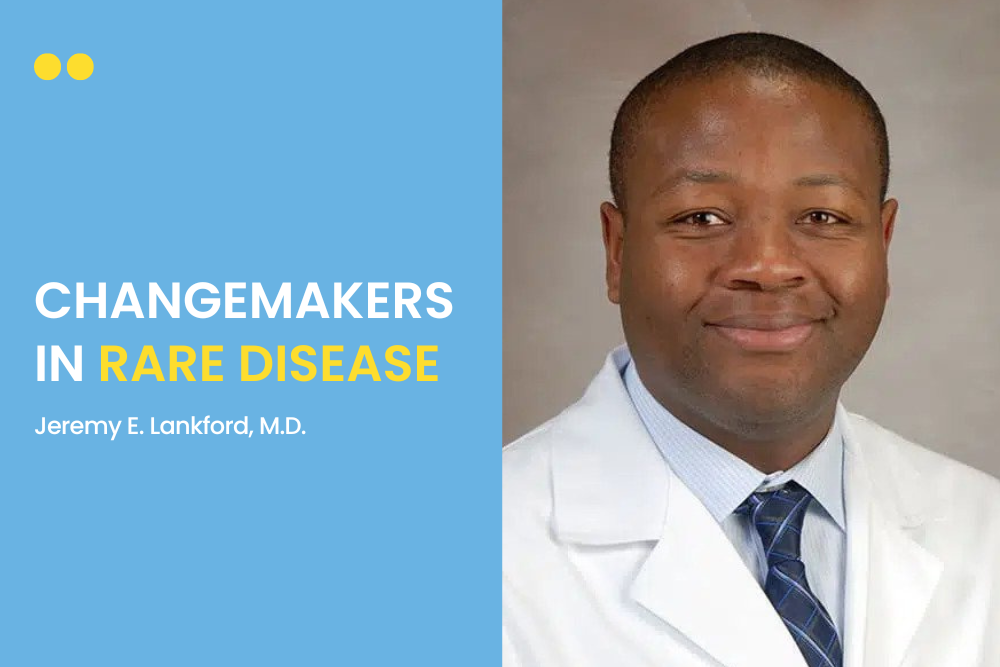
At only four years old, Jeremy Lankford already knew that he wanted to be a neurologist. Today, that dream has come true, but what makes that reality even sweeter for the now-veteran physician is that his expertise is focused on improving the lives of kids just like that young version of himself.

Dr. Mary Kay Koenig is a physician with many interests, from chemistry to neurology to children's care—but at the beginning of her medical career, she never could have guessed that mitochondrial medicine would be the specialty where all of her passions intersected.

Bob Coughlin, who today serves as an advisor to life science companies, was never one for thinking small or limiting his ambitions for rare disease patients. Learn how he and his family overcame the obstacles of cystic fibrosis (CF), raising awareness and money to search for a cure.

Dr. Chapman is a leading expert in PA and serves as the director of the mitochondrial disorders clinic at Children’s National. Learn more about Dr. Chapman’s work, and why she feels that clinical trials are a crucial pathway to rare disease therapies.
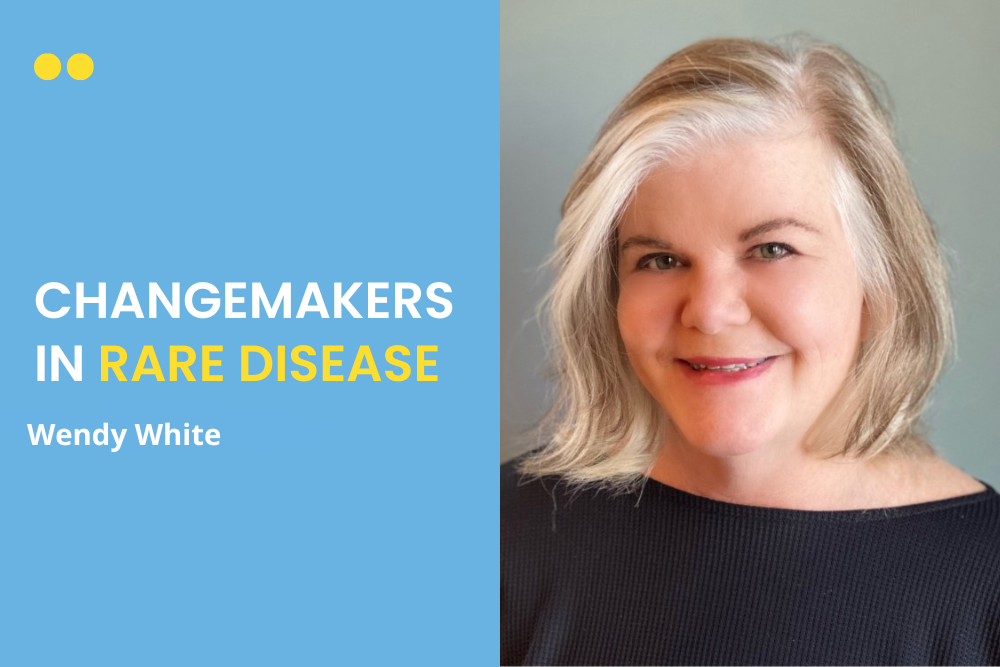
When Wendy White sees gaps in knowledge, she doesn’t wait for others to close them. She steps in and fills them herself. It’s this indomitable spirit and innovative problem-solving that led to her becoming a true changemaker in rare disease.