
ITP Young Adult Group
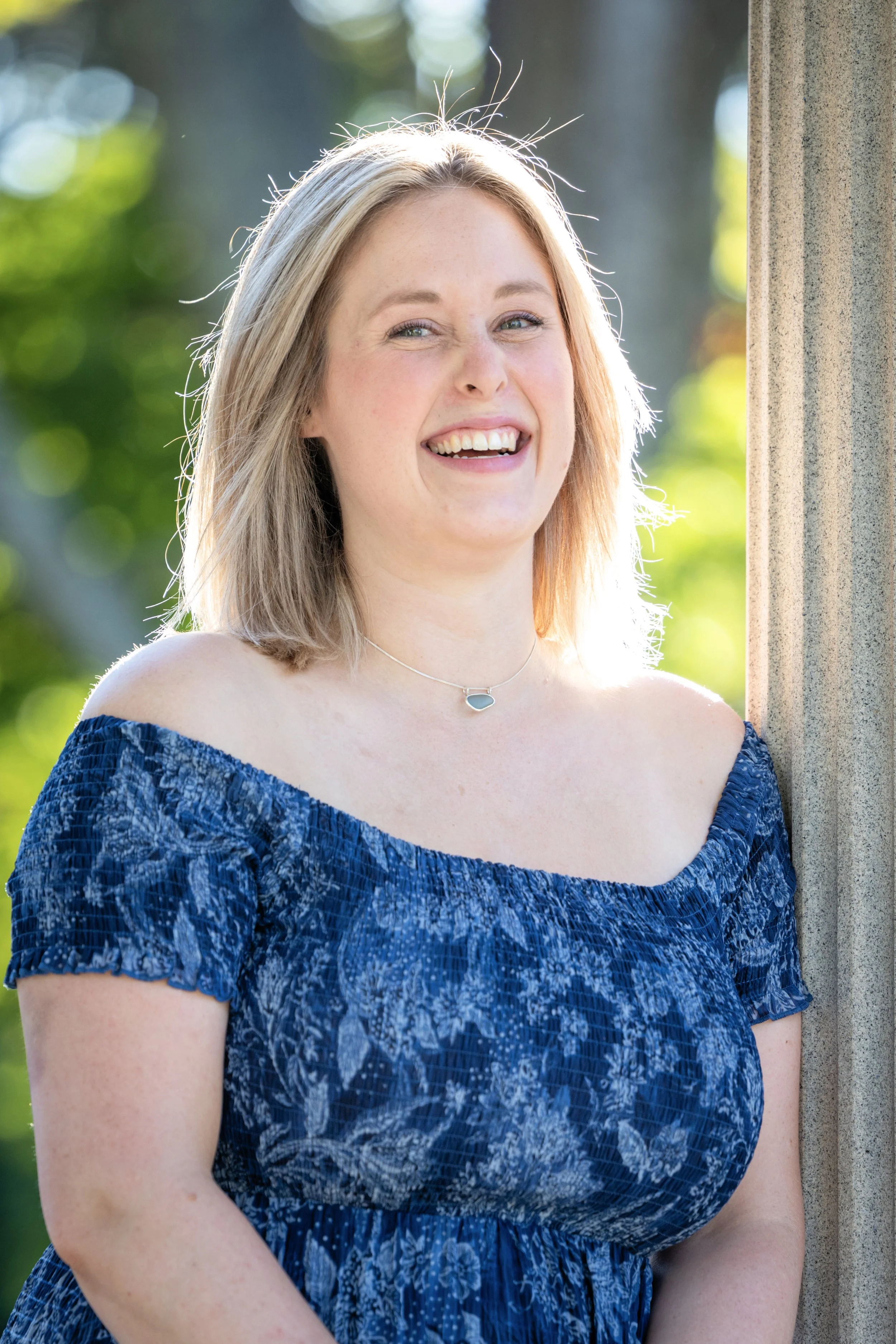
by Rhona Bowie
It’s been four months since I, alongside fellow ITP patients Ella Sophia-Ellis and Tom O’Neill, started the ITP Young Adult Group for people aged 18 - 30 in the U.K. The idea for this group took shape after myself and Ella met in Madrid for the European Hematology Association Congress a couple of years ago. It was the first time either of us had met someone else with ITP and we were both taken-a-back with how emotional it was. We spent the three days asking each other questions about growing up with ITP, comparing our experiences of symptoms, emotions, and medication. This meeting changed the trajectory of both our patient experiences and solidified to us the importance of meeting other young patients.
After a year of keeping in touch, and even visiting each other in person, me and Ella met Tom through the ITPSA last year. The three of us spoke about how significant it was to know other young people with this rare disease which can be so isolating. It can often be exhausting having to constantly explain your illness to your peers, whilst knowing they might not be able to understand it. It was a relief to have two people in my life who I could turn to for the big and the small of life with ITP, knowing they would understand.
Together, we noted gaps in our treatment that as young people we feel are not currently being addressed. Topics like mental health and sexual health are rarely, if ever, mentioned by healthcare professionals, despite these being topics young people increasingly worry about. Issues like anxiety and depression, as well as menstruation, family planning, and sex have frequently been mentioned by other young patients who feel a sense of shame in asking about these aspects of ITP. Our group aims to bridge this gap between young adults with ITP and healthcare professionals to ensure care that is meaningful to us.
Already, we have seen the positive impact that simply having a dedicated space for young patients to meet has had, with members often turning to the group to ask questions or get support. We’ve created an informal and relaxed environment which always encourages new members to join and get to know other people with ITP. This space allows us to better understand the issues affecting young patients so that we can advocate for more targeted research, treatment, and care. Both myself and Ella have been involved in panel discussions for haematologists across the U.K. to highlight the need for a more specified approach towards young patients, something which we will continue to draw attention to. We hope that the ITP Young Adult Group continues to grow and provide a safe space for patients that can go on to directly influence our experience of ITP for the better.
To find. out more you can go to: https://itpsupport.org.uk/itp-young-adults-group/.
Latest from Know Rare
Rhona Bowie shares the story behind ITP Young Adult Group, which aims to bridge the gaps between young adults with ITP and healthcare professionals, and to ensure that topics like mental health and sexual health are addressed.

In children, ITP is more often diagnosed during the fall and winter. This pattern suggests that infections or environmental factors, such as viruses or some vaccines, may trigger the immune system to attack platelets. Researchers wondered if the time of year also affected when adults develop ITP.

From prenatal uncertainty and postpartum anxiety to therapy, grief, and hope, a mother shares her experience raising a child with a rare disease, navigating the healthcare system, finding community, and learning to embrace a different—but deeply meaningful—path as a parent.

A Danon disease study, led by researcher Dr. Barry Greenberg and published in the New England Journal of Medicine, wins an award! The study focuses on gene therapy as a potential treatment option for Danon disease. The study showed early signs that gene therapy may help the hearts of people with Danon disease.

A poster, presented at the European Hematology Association meeting in June, described a study that looked at tiredness (fatigue) in adults with immune thrombocytopenia (ITP). Researchers wanted to see if fatigue was related to bleeding or other health test results.
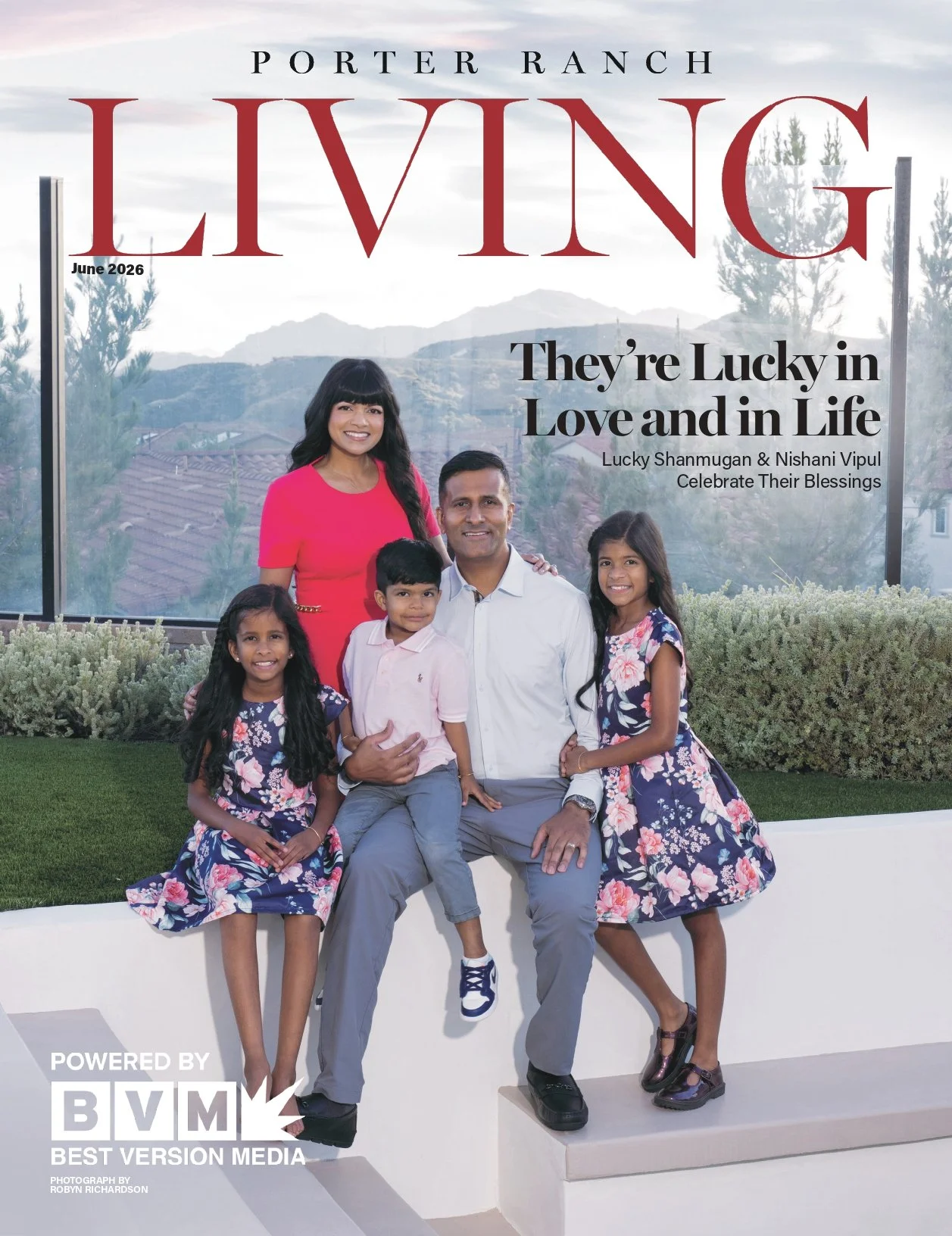
Lucky Shanmugan was recently featured in Porter Ranch Living, his local magazine, for Father’s Day: in his interview, Lucky talks about Osteogenesis Imperfecta, a rare genetic or heritable disorder of the connective tissue, and the incredible journey towards his official diagnosis.

Here are 9 things Chris Anselmo wishes someone had told him after his rare disease diagnosis.


Le difficoltà e la resilienza di una famiglia nella ricerca di risposte e nella diagnosi per il proprio figlio, dopo numerosi esami, biopsie cerebrali e ricoveri ospedalieri. E il sollievo, ma anche il dolore, nel dare finalmente un nome alla malattia rara che affligge il loro bambino: disturbo correlato al gene BCL11B.
La Fondazione Danon sostiene con coraggio le persone affette dalla malattia di Danon, fornendo informazioni affidabili, risorse e supporto per aiutarle ad affrontare la vita, dalla diagnosi alla cura.
Per molte famiglie, prendersi cura di un bambino affetto da una malattia rara o clinicamente complessa è un lavoro a tempo pieno. Il problema è che si tratta di un lavoro senza formazione, senza pause e senza una chiara descrizione delle mansioni. Se stai cercando la luce alla fine del tunnel, non devi cercare da solo. Dai un'occhiata ad alcune delle risorse preferite di Paige.

For most of celiacs, despite months on a strict GF diet, energy stays low and blood work reveals nutrient deficiencies. The lesson? A "gluten-free" label isn't a health guarantee—just a guarantee you'll pay more.

Se ti è stato diagnosticato un NMOSD sieronegativo, c'è quasi il 50% di probabilità che i tuoi sintomi siano causati da un altro anticorpo, l'anticorpo MOG.
Therapy Near Me è un servizio di salute mentale nazionale con sede in Australia che offre un facile accesso a psicologi, consulenti, professionisti del supporto comportamentale e assistenti sociali.

Durante l'annuale Kidney Week dell'American Society of Nephrologists (ASN), la più grande organizzazione mondiale di professionisti sanitari specializzati in nefrologia, sono stati presentati i nuovi progressi nella ricerca. Sono stati investiti oltre 35 milioni di dollari nella ricerca con l'ASN e sono in fase di sviluppo numerosi trattamenti per la nefropatia IgA (IgAN), con i ricercatori che stanno studiando attivamente più di 20 farmaci diversi.
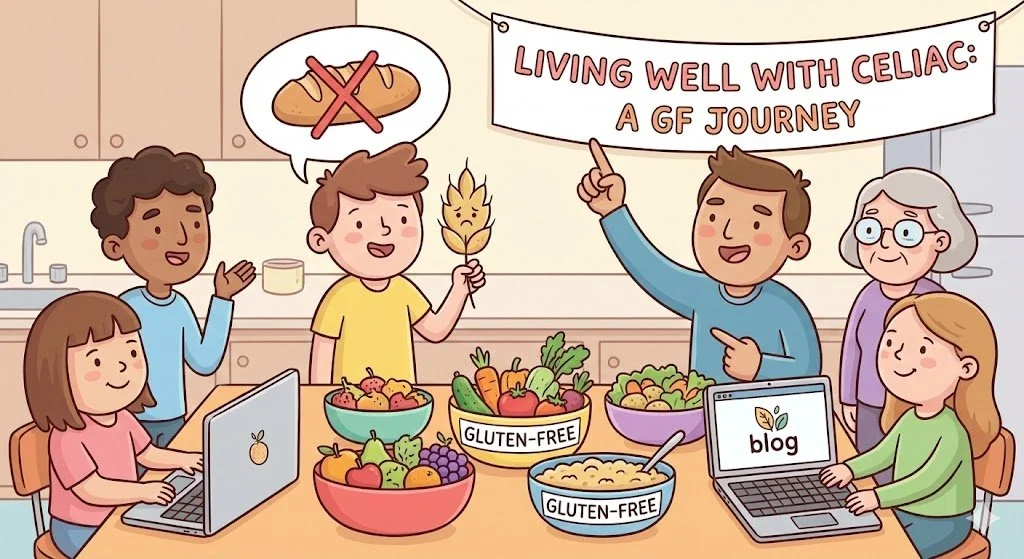
Quando mi è stata diagnosticata la celiachia, pensavo che sarebbe bastato evitare pane e pasta. Ho imparato presto che vivere davvero senza glutine è molto più complesso, e condivido la mia esperienza per aiutare chi ha appena ricevuto la diagnosi a capire cosa lo aspetta.

La retinopatia è un problema agli occhi che affligge molte persone affette dalla malattia di Danon. Può causare macchie scure nella parte esterna dell'occhio, visione sfocata o peggiorata e risultati insoliti agli esami oculistici. A volte questi cambiamenti agli occhi si manifestano prima dei problemi cardiaci, quindi un controllo oculistico può aiutare a individuare la malattia in fase precoce.

A heartfelt story about a mother who found purpose and strength among the tragedy of losing a child diagnosed with an ultra rare genetic disorder.

Kaya Girl Legacy, Inc. è un'organizzazione no profit con sede in Florida fondata in memoria di Kaya Humbert, una bellissima bambina nata con la sindrome da insufficienza di sfingosina fosfato liasi (SPLIS), uno dei 46 casi conosciuti in tutto il mondo. La fondazione si dedica a fornire alle famiglie le conoscenze necessarie sulla loro salute genetica e a promuovere l'accesso precoce ai test genetici e la sensibilizzazione sulle malattie rare.

Una poesia in prosa di Jim Kuhn, un guerriero raro affetto da sarcoidosi, una malattia infiammatoria rara.

Laura, una mamma di Rare, racconta come i preparativi della sua famiglia per Halloween si siano trasformati in un momento di amore e creatività, mentre tutti insieme hanno collaborato alla progettazione e alla realizzazione di un costume per Alden, il suo figlio con patologie complesse.

Anziché partire da un composto farmacologico appena scoperto, il PCOR è un tipo di ricerca che inizia rivolgendosi ai pazienti e agli operatori sanitari e chiedendo loro: "Cosa è più importante per voi? A quali domande vorremmo trovare una risposta? Quali sintomi vorremmo fossero gestiti meglio? Cosa ci tiene svegli la notte?"

Quattro anni fa, la vita di Michael Grivas è cambiata improvvisamente quando ha scoperto di soffrire della sindrome di Brugada, una malattia genetica caratterizzata da un’attività elettrica cardiaca anomala dovuta a una canalopatia. Scopri di più sulla sua storia.

La stanchezza è un sintomo molto comune e spesso debilitante dell'IgAN. È collegata alla progressione della malattia e alla riduzione della funzionalità renale, ma anche altri fattori come l'infiammazione, l'anemia e la salute mentale giocano un ruolo importante. In uno studio del 2025, la maggior parte dei pazienti affetti da IgAN ha riferito di soffrire di stanchezza, e i pazienti con proteinuria più grave e tassi di filtrazione renale (eGFR) più bassi hanno riportato una stanchezza più grave.

Perché è così difficile accettare aiuto? Gli esseri umani spesso associano l'aiuto alla debolezza e alla perdita di indipendenza e controllo. Tuttavia, se riformuliamo i nostri pensieri, accettare aiuto può essere visto come una forma di empowerment: mostrare vulnerabilità e fidarsi di qualcuno che ci aiuta richiede grande forza.

Avere una malattia rara comporta un carico mentale molto pesante. Rare Human Lindsay racconta che ci sono cose che non le interessano più, dato che deve gestire i sintomi della malattia rara, gli specialisti e le sperimentazioni cliniche.

Lindsay, una persona speciale, condivide i suoi "lati positivi". Non è "ciò che non ti uccide ti rende più forte", ma piuttosto ciò che non ti uccide ti rende più coraggioso. Racconta di aver trovato legami più profondi con gli altri, di aver migliorato la sua capacità di chiedere e accettare aiuto e di non avere più tanta paura della parola "no".


La giornalista e attivista per le malattie rare Lindsay Guentzel spiega perché le sperimentazioni cliniche rappresentano un'ancora di salvezza per la comunità delle malattie rare. Poiché solo il 5% delle malattie rare conosciute dispone di una terapia approvata dalla FDA, le sperimentazioni cliniche rappresentano spesso l'unica via verso le cure, il progresso e la speranza.