Just His Mom: Learning to Mother a Child With a Rare Disease
By M.V.
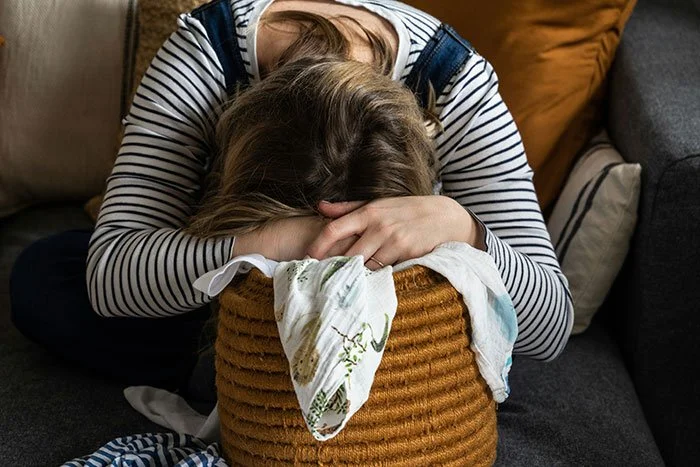
It started at our first ultrasound. He was growing very small and, in the appointments that followed, we continued to discover more. When Jackson was born, that feeling of something isn't right stayed with me. I had postpartum anxiety and D-MER, but I knew it was more than that. We wanted so badly to take care of our son, and we knew early on we couldn't do it alone. That broke me.
We advocated hard for answers. Genetic testing began during pregnancy and continued after our son was born. When the diagnosis of a genetic duplication for 4p16.3p11 finally came, it didn't hand us all the answers, but it gave us something to work with and a way to fight for more services, more support, and the recognition that there was indeed something more going on, and that we, and he, deserved help navigating it.
Jackson is what I'd describe as middle ground. He's not severe, but he's not typical either. And that in-between space can feel so isolating. A diagnosis is helpful, but what does it actually mean for your daily life? How do you find other families with kids who are going through similar experiences, concerns, and questions?
From the moment we got his diagnosis, what I needed most was another mom who just… gets it. He's a year and a half now, and I'm finally able to say I'm kinda finding my footing because I'm finding people in a similar boat who have come to terms that our day-to-day is different and it's our different.
Welcoming any child into the world is terrifying in its own right. Having a not-typical child adds another layer that not everyone around you can understand. And that's okay. You find the people who do.
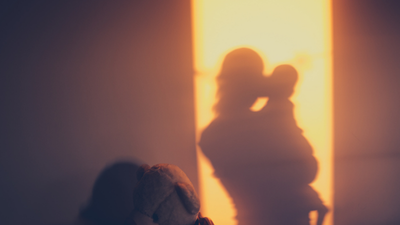
The hardest part has been learning to be Jackson’s mom. Not his speech therapist, not his OT, not his PT, just his mom. It has taken a lot of hard work to wear all those hats while still showing up as his mom, whatever that looks like on any given day.
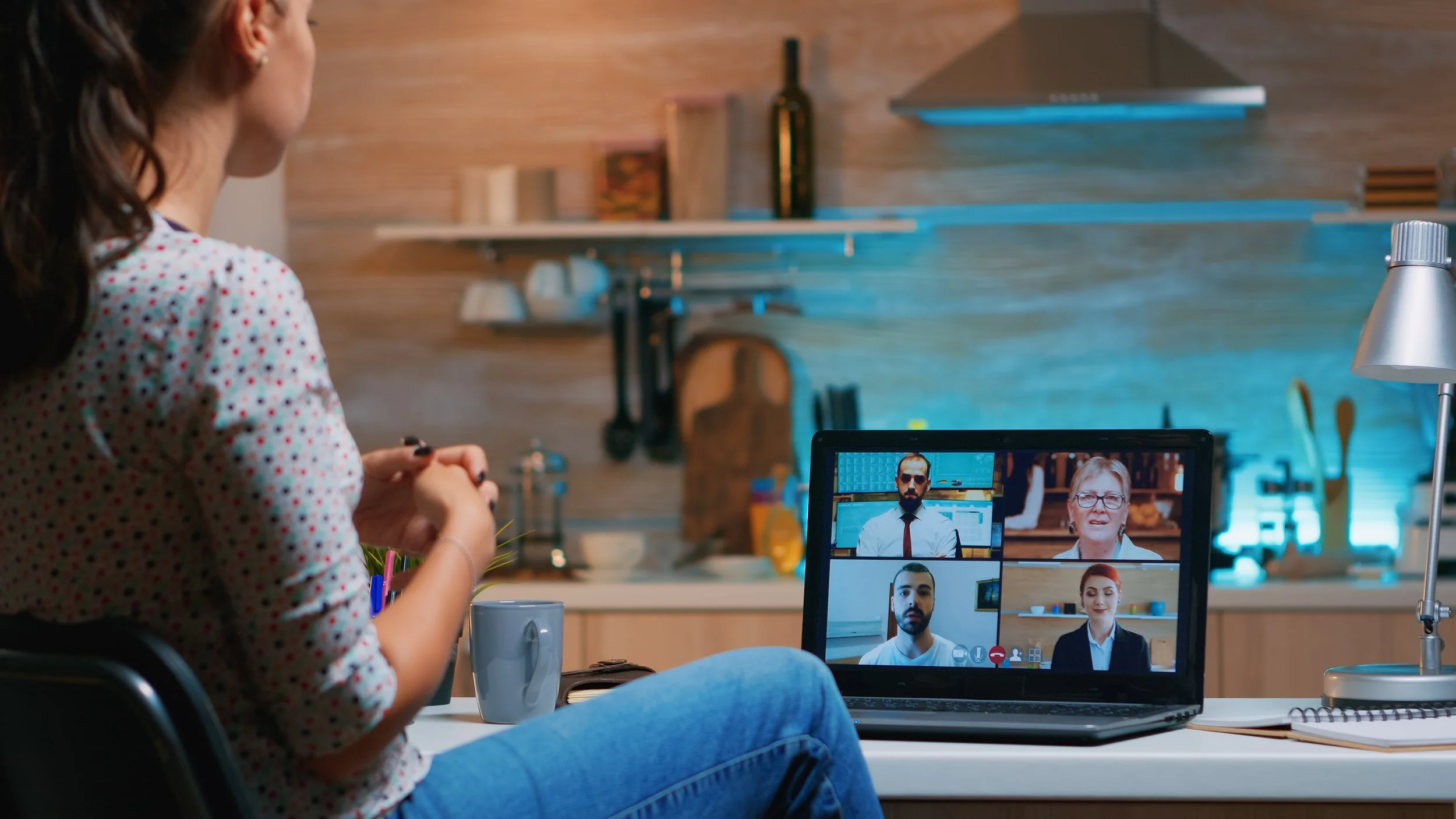
The system does not make this easy. Appointments, insurance, scheduling, finding the right doctors, spending hours on the phone, when all you want is to be present with your child. I was drowning. Dr. Arjun Gupta, in his publication in the Journal of Clinical Oncology, called this time spent away from daily life and instead spent on medical care "Time Toxicity." While the term was originally coined in the field of Oncology, I think that it can apply to caretaking for a child with any rare or complex illness.
What helped me most was finding a doctor I could truly trust. Someone I could bring every question, fear, and anxious thought to, and who I knew genuinely had our backs. I also recently found the Nori app and started using the Scout planner, absolute game changers for my ADHD/dyslexic brain that needs to see everything laid out to feel less overwhelmed.
What gives me hope is my son. He's doing it. Every single day, he's doing it. And that gives me all the hope I need. That whatever our future looks like, we did everything we possibly could and are doing to give him the best life and every chance to see the world the way he deserves.
Do I wish things had been different when Jackson was first born? Yes. Do I wish things were different now? Honestly, no. I'm in the place I need to be. I've taken on the role of "Jackson's assistant" 110%, all in. I have to believe that these kids were given to us for a reason.
It gets easier. Not easier in that the hard disappears, but easier in that you learn to accept the path your child is taking you on.
If I could go back in time, I would tell that version of myself, the one in the trenches, exhausted, and scared, that you are going to be okay. It gets easier. Not easier in that the hard disappears, but easier in that you learn to accept the path your child is taking you on. You follow their lead, and you never stop pushing, asking, and advocating. To other parents who just received a child's rare disease diagnosis: Let yourself grieve. And don't rush it. You are allowed to grieve the life you imagined for yourself and your child.
My therapist shared something that has stayed with me. Grief is like a balloon. It inflates in the hard moments, and deflates as you accept and move through each phase. It never disappears, but it does change. I have grieved more times than I can count. Privately, in public, with his therapists, with my family and husband. That grief is not weakness. It is love.
Jackson and I are out and about a lot. Being home doing exercises in equipment can start to feel claustrophobic, so I've made it part of our budget and routine to get our morning coffee, practicing standing, practicing walking, doing it all out in the world. Don't stop living your life because you're worried about looks or judgment or not fitting the "typical" mold. Our kids deserve to be out in this world. And so do we.