
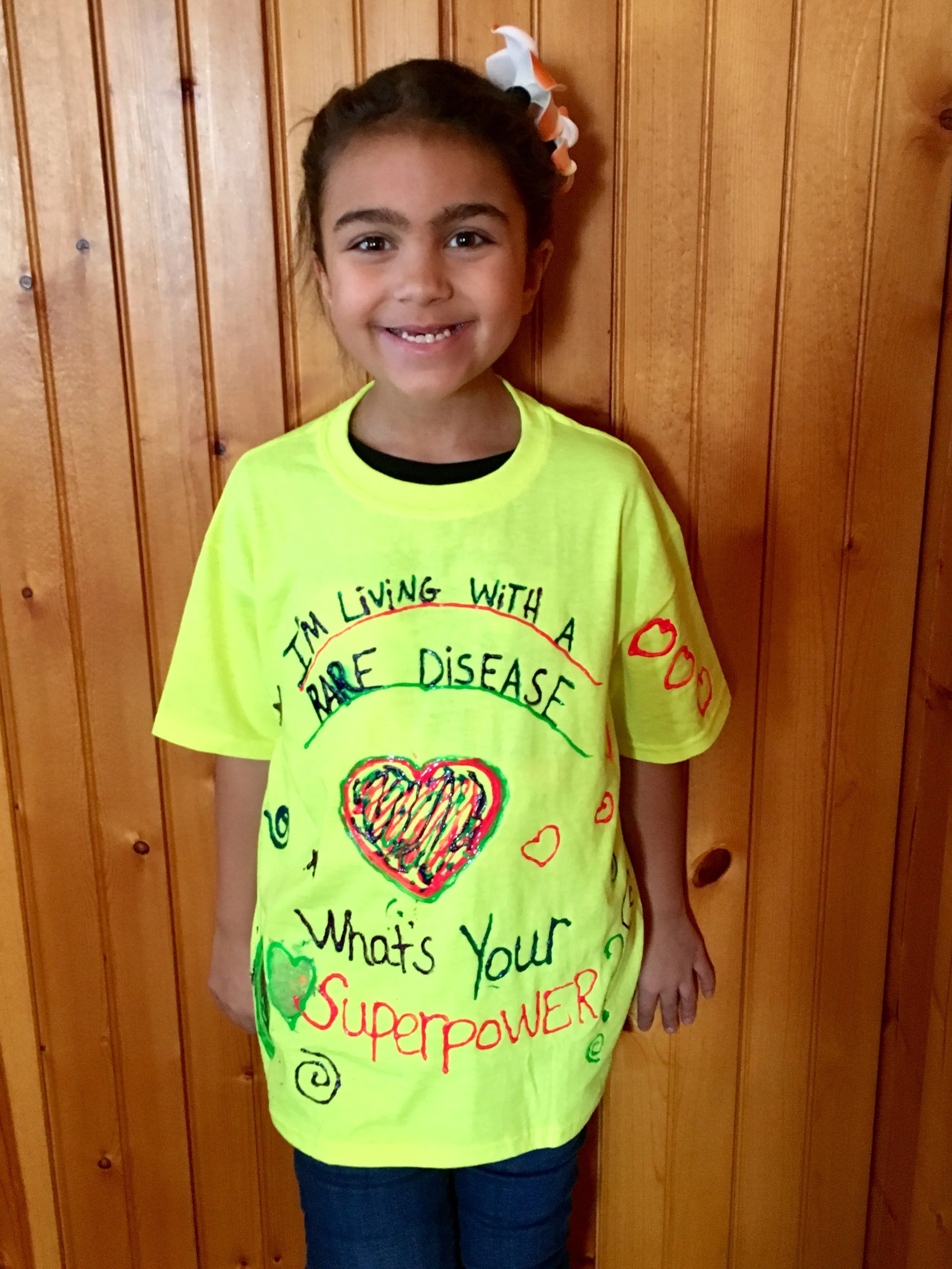
Living with Greig Cephalopolysyndactyly Syndrome
Defying the odds, Amy never thought she’d be able to have children. Her pregnancy was high-risk due to her own medical issues. However, she made it through her first trimester of pregnancy and was ready for an ultrasound at 18 weeks. Amy didn’t expect the doctors at her local hospital to tell her that her daughter would never walk or talk.

Gaining Control with Gratitude
Cuidar de un niño con una enfermedad crónica puede ser emocionalmente agotador. Como madre de un niño con una enfermedad rara, Laura sabe que la tristeza se cuela de forma natural en los momentos de alegría. Al practicar y compartir la gratitud, Laura recupera el control y alivia esos momentos de miedo y dolor. Descubre el poder de la gratitud y descubre cómo el acto de dar las gracias transformó la forma en que Laura vive su relación con su marido, sus hijos y su vida cotidiana.

Liberar el poder de la autocompasión: un propósito de Año Nuevo para sufrir menos
Al dar la bienvenida al 2022, Laura Will elige la autocompasión como su propósito de Año Nuevo. Profundiza en la descripción de los tres elementos clave de la autocompasión, revelando sus múltiples beneficios. En lugar de recurrir a pensamientos autocríticos para guiar otro propósito efímero, Laura nos invita a aceptar nuestro yo imperfecto y emocional, a practicar la bondad hacia nosotros mismos y a canalizar hacia nuestro interior algo de energía afectuosa.

Learning to Juggle it All as a Caregiver: The Four States of the Caregiver's Identity
After her infant son was diagnosed with a rare brain malformation, Laura had an identity crisis. She was no longer just-a-mom, but also a family caregiver. Although this newly acquired title may be emotional and exhausting at times, Laura discovered in herself unforeseen skills and a remarkable strength. She delves into the description of the four states of a caregiver’s identity and creates a beautiful metaphor for this extraordinary role.

Cultivating Flexible Hope: A look at the emotional cycles in chronic illness
Aunque no puedo estar segura del futuro de la salud de mi hijo, he encontrado cosas en las que puedo confiar: sus médicos, su asistente personal, mi pareja, la cafetera, las risas y mi deseo de cuidar de mi hijo. Nombrar aquellas cosas en las que confiamos puede ofrecernos cierta sensación de control. Con esa confianza, el miedo se mantiene a raya; y, si prestamos atención, pequeños momentos de esperanza comienzan a desplegarse ante nosotros.

Introducing Rare Resiliency: A column for parents of children with rare, serious, or chronic illness
Rare Resiliency is a monthly column written and/or curated by Laura Will. This column explores the concepts and skills that play a protective role against chronic and acute stress. Each article challenges and encourages the reader to continue to develop that inner steadying strength as they face illness and uncertainty, sorrow and joy.

The Complicated Grief of Losing Someone with a Rare Disease
The mental health community defines complicated grief as a severe form of mourning that doesn’t resolve with time. In this article, Gina D. Wagner expresses her experience with complicated grief after the loss of her brother who lived with Prader-Willi syndrome along with what she’s learned along the way.

What I Wish I'd Known About Prader-Willi Syndrome
Gina Wagner grew up with a brother with unexplained behaviors and health concerns which were later explained as to be symptoms of Prader-Willi syndrome. In this piece she shares 3 things she wishes she would have known.

What I Learned About Caring For Someone with Sickle Cell Disease
Howard Wooley shares what he learned about caring for his wife who had sickle cell disease.

Soar: A Posthumously Published Memoir About One Woman's Defiance in the Face of Sickle Cell Disease
Gail Campbell Woolley (1957-2015) grew up in Washington DC, and was diagnosed with sickle cell anemia at age seven. Her book, Soar: A Memoir, published posthumously by her husband, details her heroic defiance against sickle cell disease.

A Dragon Mom’s Story: Facing Grief and Life Threatening Illness with Poetry
When I first started expressing concern about Alden’s development, everyone told me not to compare Alden to his big sister, Hadley. I was not comparing. As a mother and a nurse, I knew in my gut that something was seriously wrong. After weeks of second guessing my instincts, I finally caught one of Alden’s atypical movements on video. It was Memorial Day, 2020. He was 4.5 months old. I sent the video to the on-call doctor at his PCP office, who took one look at it and asked us to please bring him into the emergency room immediately. Forty eight hours, an EEG and an MRI later, our family was forever changed.