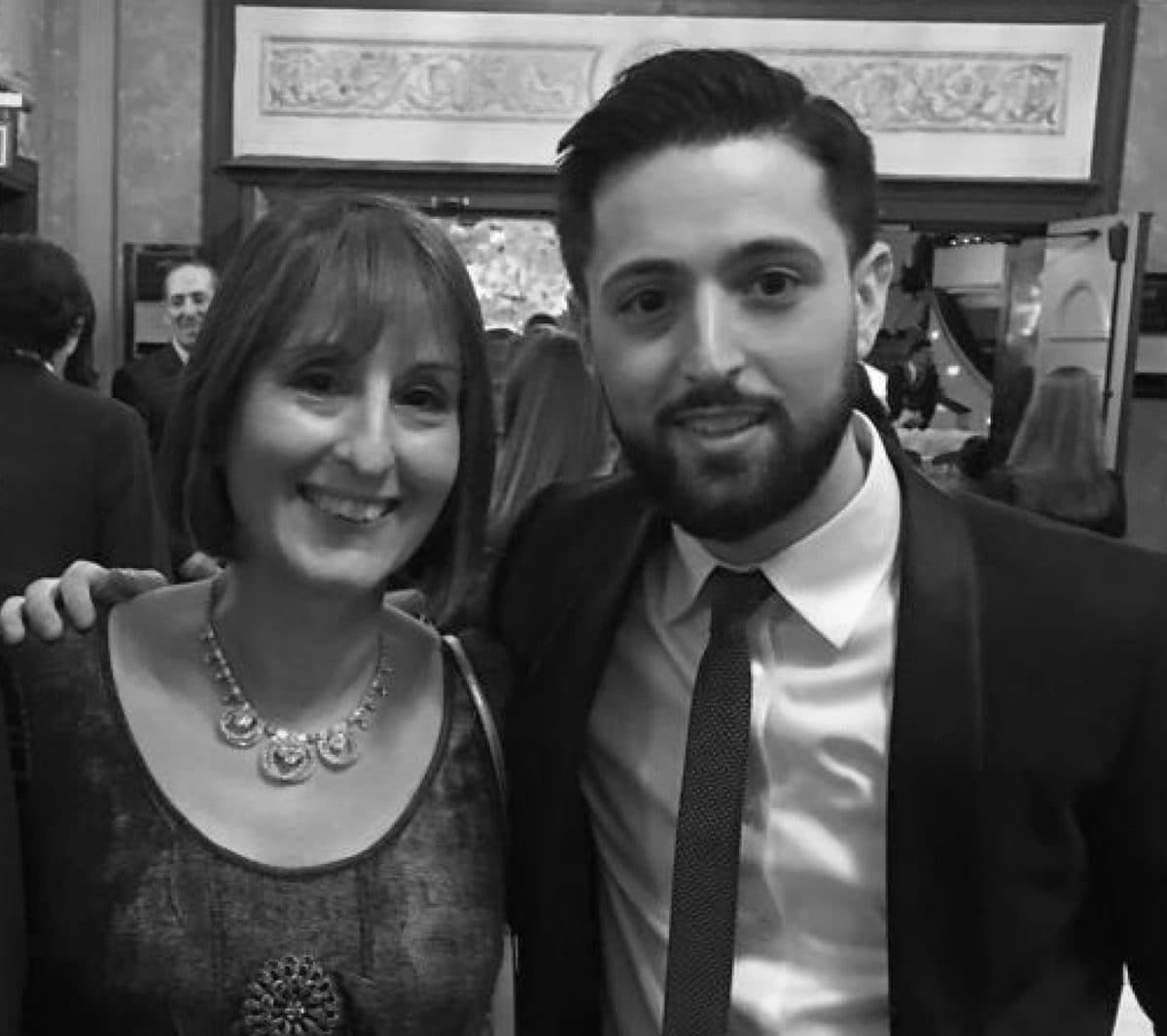
What started as our family's rare disease journey led us to build an AI Patient Intelligence Engine and a community of 1M+ patients and caregivers worldwide, connected to new research and support. Today it helps research teams reach the people their studies are for.
Who we work with: pharma and biotech sponsors, CROs, study sites, and teams running observational and real-world studies.
One Patient Intelligence Engine. Three integrated AI systems.
Three AI systems that close the knowledge gaps, from a patient's first search to study enrollment and beyond.
System 01Find
HealthSignal
AI Patient Discovery
Reach patients when they're looking for answers.
HealthSignal creates helpful condition pages and learns which ones best answer what people search for, so patients find relevant studies and support.
Landing page tests3 variants
Variant A2.3%
Variant B5.8%
Variant C3.1%
Winner auto-promoted · +152% lift
System 02Engage
HealthStory
AI Patient Experience
A private health journal patients keep for themselves.
AI-guided check-ins help people track symptoms, treatments and quality of life. Patients who choose to can contribute their entries to research, combined and de-identified.
How have your headaches been this week?
Still pretty bad. Worst in the mornings, and bright light makes them worse.
Aggregated, de-identified · opted-in patients only
Our programs
Powering rare disease from research to launch.
Integrated AI patient intelligence programs supporting recruitment, medical strategy, and treatment launch.
R&D
Clinical Development Program
Accelerate recruitment
Reaching patients interested in research
Clinical trial recruitment
Real-world evidence generation
OutcomeFaster enrollment
Medical
Medical Strategy Program
Understand patient experiences
Patient journey mapping
Disease burden analysis
Treatment experience insights
OutcomeActionable insights
Launch
Launch & Access Program
Help patients learn about and access new treatments
Unmet-need insights
Patient journey and needs mapping
Patient support and education programs
OutcomeBetter support at launch
How recruitment works
1
Reach
Condition communities, stories and HealthSignal pages meet patients and caregivers where they're already searching.
2
Educate
HealthSpark and plain-language study information help people understand what taking part involves.
3
Pre-screen & support
Patients who want to explore a study get eligibility pre-screening and, where offered, a conversation with our nurse team.
4
Refer & follow through
With the patient's permission, we refer them to the study site and keep supporting them through to enrollment.
Built on consent
Patients choose every way their information is used
Rare disease communities are small and close-knit, and their trust is what makes recruitment work. Every Know Rare program runs on separate, specific opt-ins that patients can change at any time. Nothing is required to use Know Rare.
1Study matching
We connect a patient with a study, and share their details with that study team only when they ask us to.
2Research data sharing
Patients can opt in to contribute to pharma research and observational studies.
3Commercial insights
Patients can opt in separately to help drug companies with commercial planning.
Aggregated and de-identified. Everything shared for research and commercial programs is combined across patients and stripped of identifying details.
Small-cohort protections. Minimum group sizes and generalized details (age bands, regions) so rare cohorts can't be traced to a person.
No re-identification. Partner contracts prohibit re-identifying, linking or contacting patients from shared data.
ISO/IEC 27001:2022. Certified information security management.
Case studies
Real programs. Real outcomes. See the results.
See how pharma and biotech teams have used Know Rare's AI Patient Intelligence Engine to accelerate recruitment and generate real-world evidence.
Rare Metabolics
How AI Patient Intelligence Helped Rescue a Rare Pediatric Trial.
98%patients randomized
<1 Moto first patients
Rare Headache
How AI Patient Intelligence Helped Understand Pain Management in a Headache Population.
7xpatient goal
<2 wksto recruit
FAQ
Questions partners ask
Which conditions and regions do you cover?
Our therapeutic coverage spans gene therapy, rare metabolics, cancer, dermatology, autoimmune, hematology, heart and kidney, and neurology, and a community of 1M+ patients and caregivers worldwide. HealthSignal communities cover all 6,000+ conditions in the NIH Genetic and Rare Diseases Information Center.
What do partners actually receive?
For recruitment, referrals of patients who asked to be connected with your specific study; their details are shared only at their request. For research and commercial programs, aggregated, de-identified insights drawn only from patients who opted in. We don't sell individual patient records.
How do you protect patient data?
Know Rare is ISO/IEC 27001:2022 certified. Shared insights are aggregated and de-identified with minimum group sizes, so small rare-disease cohorts can't be traced back to individuals, and partner contracts prohibit re-identification or contacting patients from the data.
Can you help with ultra-rare or stalled studies?
That's where we started. In one rare pediatric trial that had gone 2 years without enrolling a patient, Know Rare found the first patients in under a month and 98% of referred patients were randomized.
How do we get started?
Schedule a meeting below. We'll talk through your indication, study or program goals and timelines, and recommend the right program.
Schedule a meeting
Power your rare disease work with AI patient intelligence
See how rare disease intelligence can move your program forward.