Living with Celiac Disease: What They Don't Tell You at Diagnosis
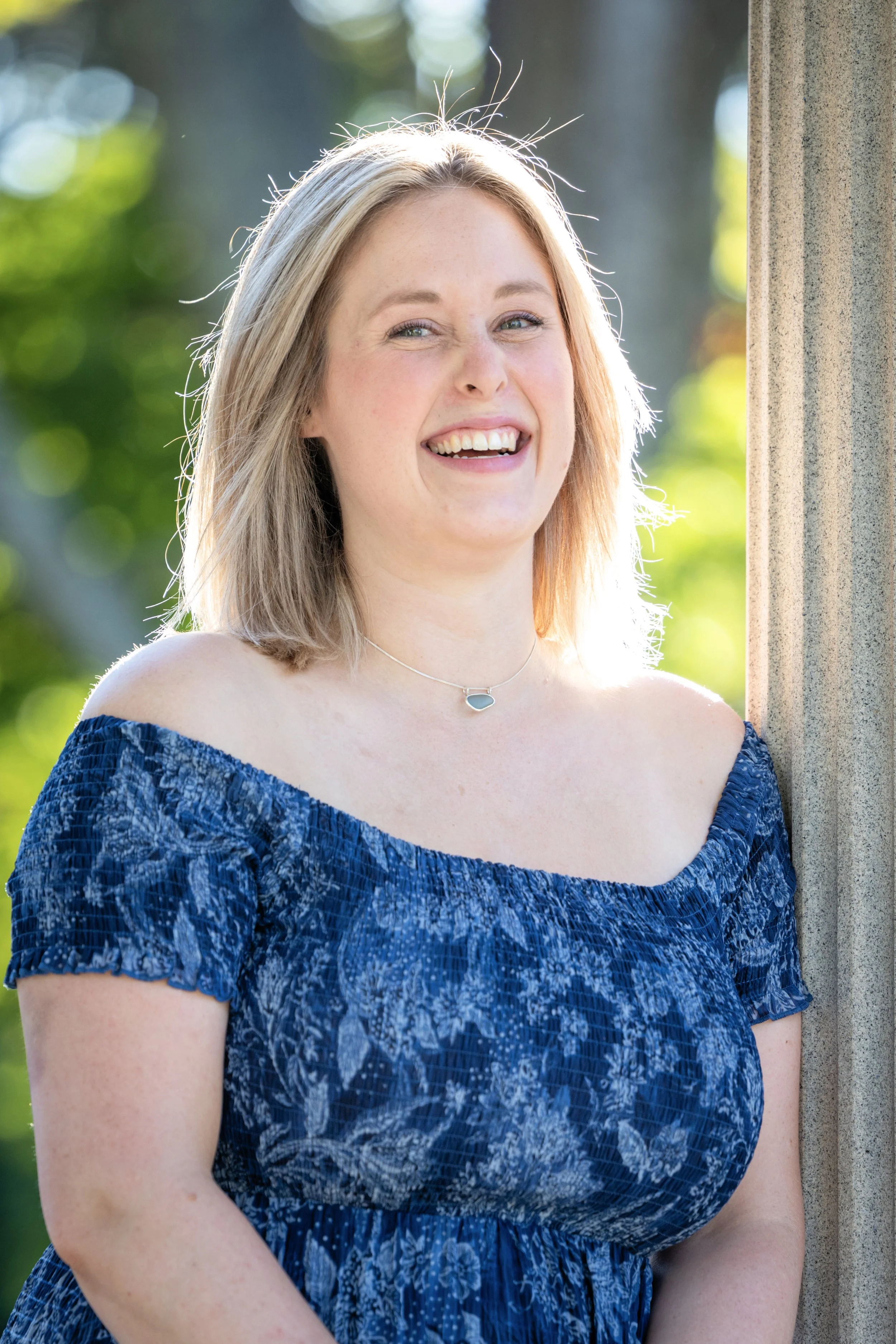
By Maria Anwar
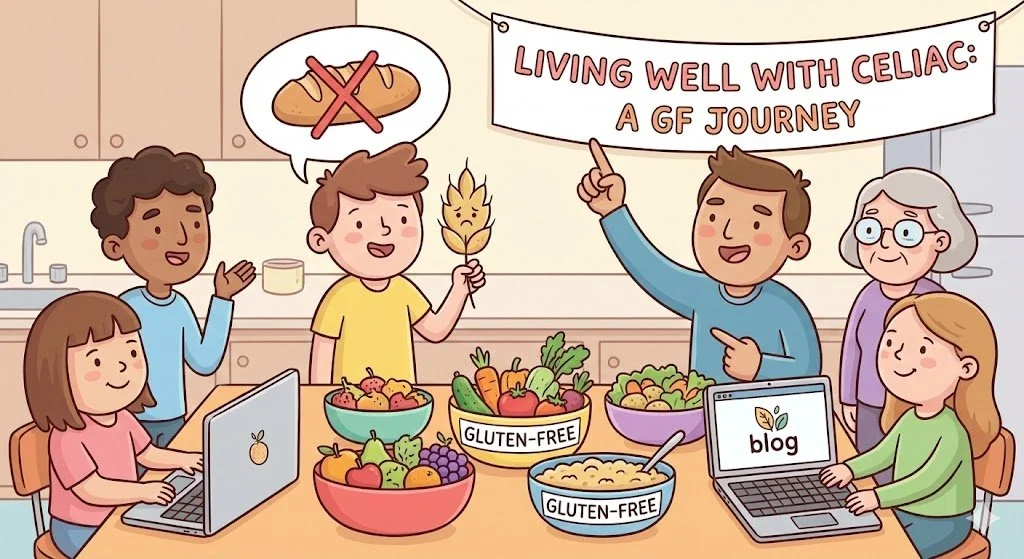
When I was diagnosed with celiac disease, I thought avoiding bread and pasta would be enough. I quickly learned that living truly gluten-free is far more complex, and I'm sharing my experience to help newly diagnosed individuals understand what lies ahead.
The Tiny but Mighty Truth Behind Gluten-Free Limits
The FDA permits the "gluten-free" label on foods containing less than 20 ppm (parts per million) of gluten. But what is 20 ppm? It means that for every million parts of the food, less than 20 parts can be gluten. To visualize this: imagine a 500g jar of food—at 20 ppm, it could contain around 10 mg of gluten, which is roughly the weight of a few grains of salt. It's incredibly small—but in the battle against gluten, even the tiniest enemy can cause big trouble. Think of yourself as a superhero fighting an army of molecular minions!
Cross-Contamination: The Hidden Enemy
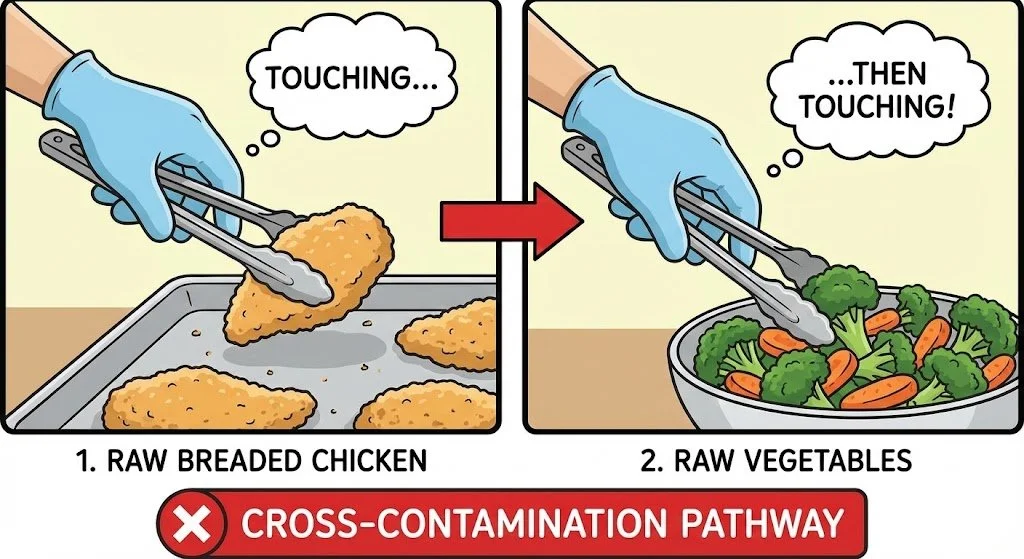
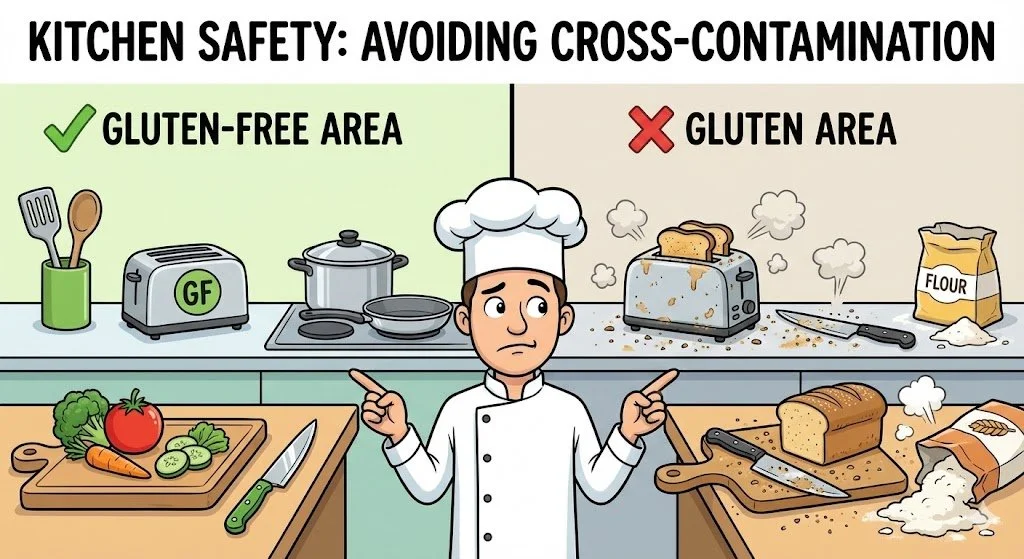
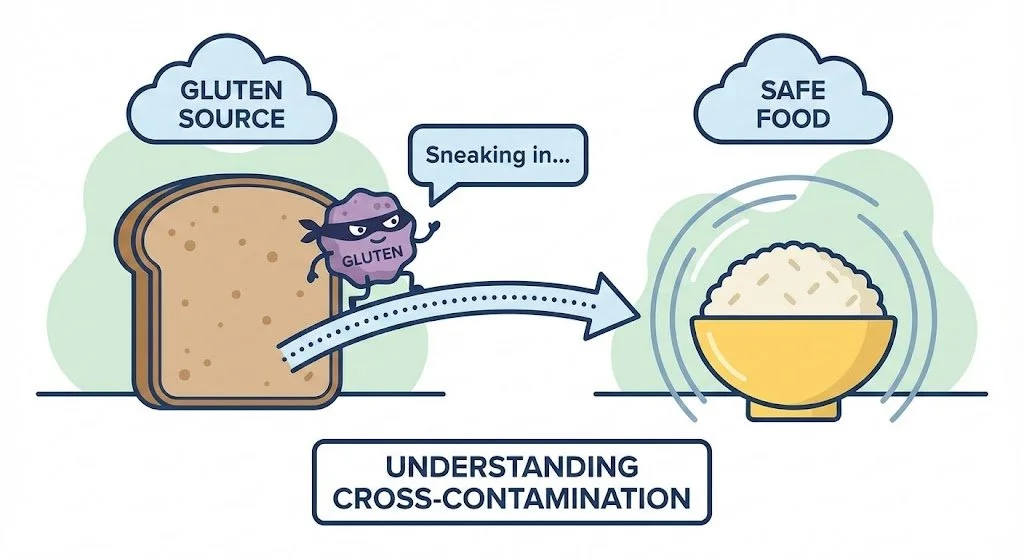
Cross-contamination is more serious than most realize. A butter knife touched to toast contaminates the entire butter container. A spatula on a counter where bread crumbs once sat can pick up enough gluten to make you sick. Shared cutting boards, toasters, colanders, wooden spoons, flour in air vents—all became threats I had to eliminate.
I needed separate cooking utensils, prep surfaces, and condiment containers. A single crumb on the counter could contaminate my meal. This wasn't paranoia; it was protecting my intestines from damage. I treat a stray breadcrumb with the same level of chill as a live grenade.
Learning to Say No—And Standing Firm
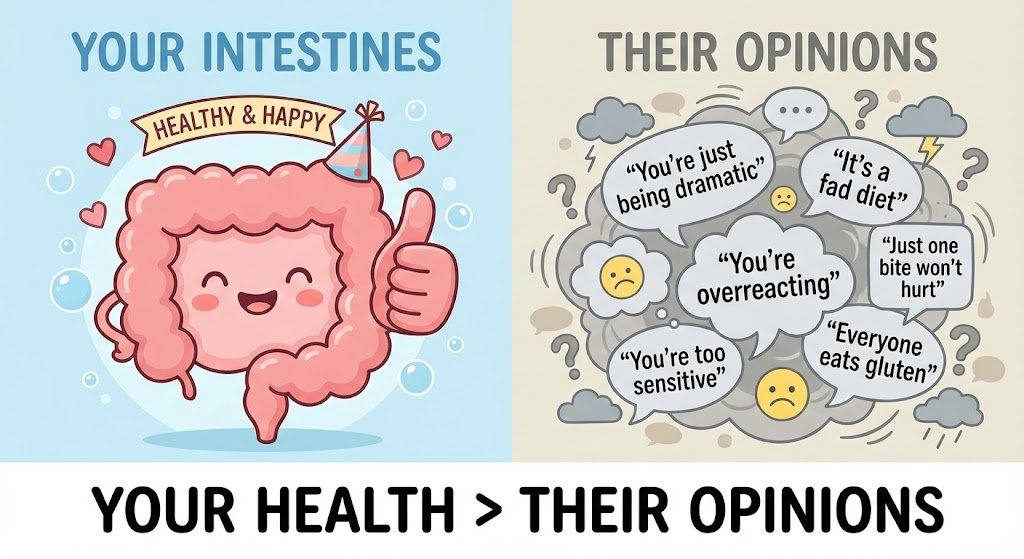
This is perhaps the hardest part. Because Celiac disease affects ~1% of the population, even friends and family may not understand. Some will accuse you of being overly cautious, diagnose you with OCD, or claim you're following a "fad diet" to look cool. Let’s be honest, nobody pays $8 for a loaf of bread the size of a sponge just for the 'fashion. Unlike diseases like diabetes, which people recognize, celiac disease is rare enough that people feel entitled to mock it.
Do not listen to them. This is not a choice or a trend—it's an autoimmune disease. When someone offers you food that isn't safe, a simple "No, thank you, I have Celiac disease" is enough. You don't owe anyone detailed explanations. Your intestinal health matters more than their comfort. Real friends will respect your boundaries.
The Healing Journey: Patience Required
Once you start a gluten-free diet, your gut needs substantial time to heal. Even when perfectly careful, I had symptoms for weeks. Celiac causes intestinal damage, and those villi (small hairlike structures that absorb food) need time to regenerate. Continued symptoms during healing don't mean you're failing or eating gluten. Your body is recovering. Basically, your intestines are doing a system reboot, but unfortunately, they are running on 1990s dial-up internet.
Moving Forward
With time, vigilance becomes habit. Your energy returns, digestion heals, and you learn to navigate this reality. The key is understanding that "gluten-free" means truly gluten-free— no exceptions. Your health depends on it, and you deserve to feel well again. Just remember you’re not restricted; you’re just exclusive. Very, very exclusive.
Try Know Rare’s Journaling App!
By capturing your day-to-day experiences on the Healthstory AI journaling app, an AI-powered algorithm will analyze the patterns of your entries and give you a summary report with insights you may not have noticed before.
Latest from Know Rare
From prenatal uncertainty and postpartum anxiety to therapy, grief, and hope, a mother shares her experience raising a child with a rare disease, navigating the healthcare system, finding community, and learning to embrace a different—but deeply meaningful—path as a parent.
A Danon disease study, led by researcher Dr. Barry Greenberg and published in the New England Journal of Medicine, wins an award! The study focuses on gene therapy as a potential treatment option for Danon disease. The study showed early signs that gene therapy may help the hearts of people with Danon disease.
A poster, presented at the European Hematology Association meeting in June, described a study that looked at tiredness (fatigue) in adults with immune thrombocytopenia (ITP). Researchers wanted to see if fatigue was related to bleeding or other health test results.
Lucky Shanmugan was recently featured in Porter Ranch Living, his local magazine, for Father’s Day: in his interview, Lucky talks about Osteogenesis Imperfecta, a rare genetic or heritable disorder of the connective tissue, and the incredible journey towards his official diagnosis.
Here are 9 things Chris Anselmo wishes someone had told him after his rare disease diagnosis.
A family’s hardships and resilience in finding answers and getting a diagnosis for their child, after numerous tests, brain biopsies, and hospitalizations. And the relief but also grief in finally putting a name to the rare disease that affects their child: BCL11B-related disorder.
The Danon Foundation boldly empowers people living with Danon disease, providing trusted information, resources and support to help navigate life, from diagnosis to treatment.
For many families, caregiving for a child with a rare or medically complex condition is a full-time job. The problem is, it’s a job with no training, no time off, and no clear job description. If you’re looking for the light at the end of the tunnel, you don’t have to search alone. Check out some of Paige’s favorite resources.
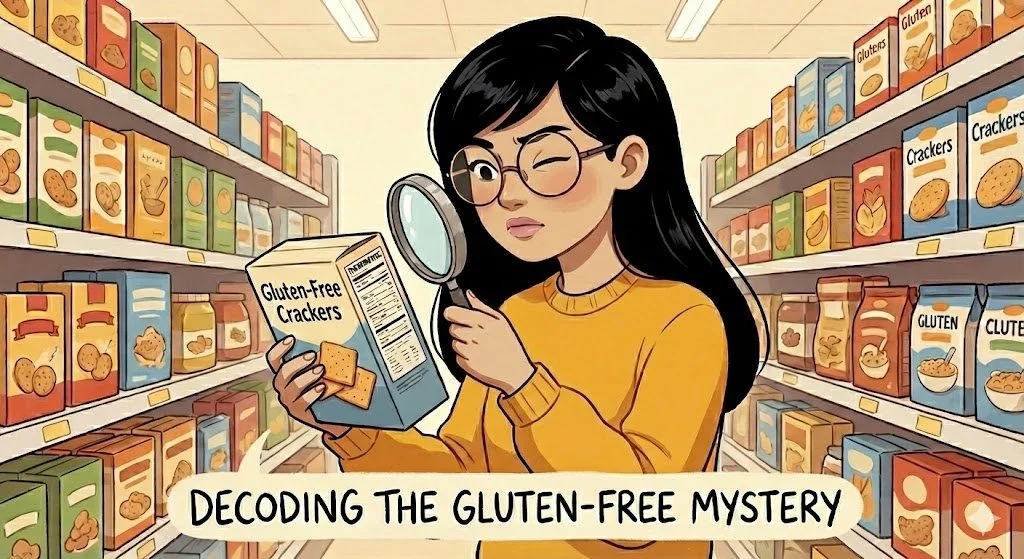
For most of celiacs, despite months on a strict GF diet, energy stays low and blood work reveals nutrient deficiencies. The lesson? A "gluten-free" label isn't a health guarantee—just a guarantee you'll pay more.
If you’ve been told you have seronegative NMOSD, there’s nearly 50/50 chance you have a different antibody causing your symptoms –MOG antibody.
Therapy Near Me is a nationwide mental health service based in Australia, providing easy access to psychologists, counsellors, behaviour support practitioners and social workers.
At the annual Kidney Week of the American Society of Nephrologists (ASN), the world’s largest kidney healthcare professional organization, new advances in research were highlighted. Over $35 million has been invested in research with the ASN, and there are many treatments in development for IgA Nephropathy (IgAN), with researchers actively investigating more than 20 different drugs.
When I was diagnosed with celiac disease, I thought avoiding bread and pasta would be enough. I quickly learned that living truly gluten-free is far more complex, and I'm sharing my experience to help newly diagnosed individuals understand what lies ahead.
Retinopathy is an eye problem that many people with Danon disease have. It can cause dark spots in the outer part of the eye, blurry or worse vision, and unusual test results on an eye exam. Sometimes these eye changes show up before heart problems, so an eye check can help find the disease early.
A heartfelt story about a mother who found purpose and strength among the tragedy of losing a child diagnosed with an ultra rare genetic disorder.
Kaya Girl Legacy, Inc. is a Florida-based nonprofit founded in memory of Kaya Humbert, a beautiful baby girl born with Sphingosine Phosphate Lyase Insufficiency Syndrome (SPLIS), one of 46 known cases worldwide. The foundation is dedicated to empowering families with knowledge about their genetic health and advocating for early access to genetic testing and rare disease awareness.
A prose poem by Jim Kuhn, a rare warrior living with Sarcoidosis, a rare inflammatory disease.
Rare Mom Laura shares how her family’s prep for Halloween turned into a burst of familial love and creativity, as they all worked together in designing and building a costume for Alden, her medically complex son.
Instead of starting with a newly discovered drug compound, PCOR is a type of research that starts by turning to patients and caregivers and asking, What matters most to you? What questions do we want answered? What symptoms do we wish were better managed? What keeps us up at night?
Four years ago, Michael Grivas’ life suddenly changed when he learned that he had Brugada Syndrome, a genetic disorder in which the electrical activity of the heart is abnormal due to channelopathy. Learn more about his story.
Fatigue is a very common and often debilitating symptom of IgAN. It is linked to disease progression and reduced kidney function, but other factors like inflammation, anemia, and mental health also play a role. In a 2025 study, the majority of patients with IgAN reported fatigue, and patients with more severe proteinuria and lower kidney filtration rates (eGFR) experienced worse fatigue.
Why is it so hard to accept help? Humans often associate help with weakness and loss of independence and control. However, if we reframe our thoughts, accepting help can be viewed as a form of empowerment: showing vulnerability and trusting someone to help us requires great strength.
There is so much mental load with having a rare disease. Rare Human Lindsay shares there are things she does not care about anymore, as she manages rare disease symptoms, specialists, and clinical trials.
Rare Human Lindsay shares her "silver linings." It's not 'what doesn't kill you makes you stronger,' instead it's what doesn't kill you makes you braver. She shares that she has found deeper connections with others, improved her ability to ask for and accept help, and not been as afraid of the word "no."
Journalist and rare disease advocate Lindsay Guentzel breaks down why clinical trials are a lifeline for the rare disease community. With only 5% of known rare diseases having an FDA-approved therapy, trials often represent the only path toward treatment, progress, and hope.
Lindsay was diagnosed with dermatomyositis a couple of years ago. Since then, she has undergone more than 350 doctor appointments, 250+ hours of infusions, 10+ ER visits, while juggling insurance approvals, rides, and her pain and fatigue.
Rare Human Lindsay is in the midst of her first clinical trial for dermatomyositis, a rare inflammatory disease that primarily affects the skin and muscles. So far, she has learned so much about the process and is eager to share some of her insights with the rare disease community.