
Changemaker in Rare: Anne-Marie McIntyre
To truly understand the intricacies of a rare disease, it takes a rare type of doctor. Get to know the specialists who are at the forefront of rare disease research with our series, Changemakers in Rare.

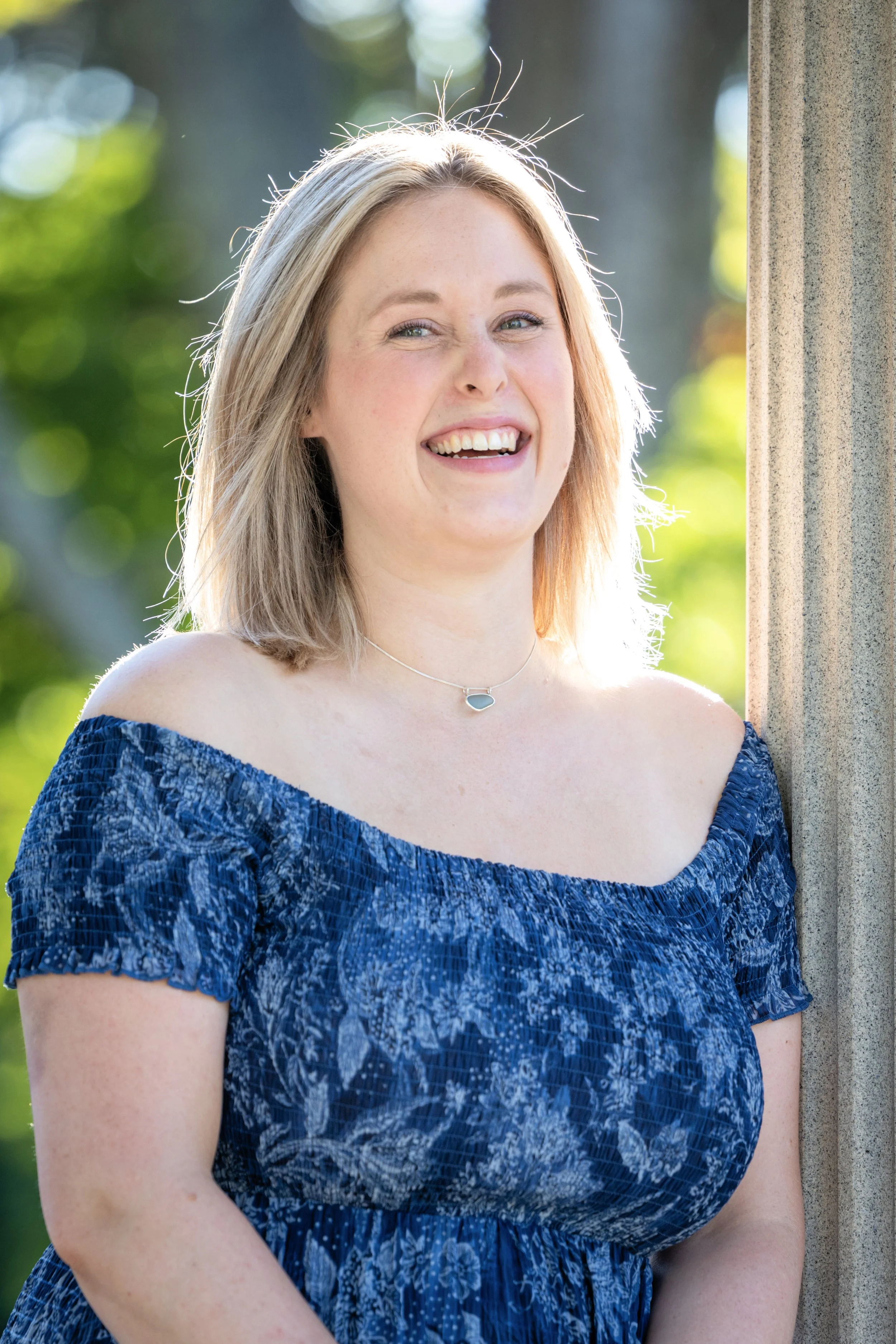
Anne-Marie McIntyre, Board Certified Behavior Analyst
Q&A with Anne-Marie McIntyre
How did your educational and professional pathway lead to your specialty in mitochondrial disease?
About 6 years ago, I was in college and found myself in a job where I was helping adults significantly affected by Autism. It was a program that promoted lifelong learning, healthy living, and vocational exploration through an inclusive experience on a college campus. I saw first-hand the stigma in communication between typical and neurodiverse adults. I fell in love working with this population and realized they needed a peer to help them advocate for their individualized wants and needs. Fast forward to accepting a job at Cincinnati Children’s Hospital, I work as a clinical research coordinator managing a research study in the neurobehavioral inpatient unit. In correlation with that, I am a research assistant in the rare genetics department for Dr. Shillington, Principal Investigator of the CDKL5 research study project. I help families understand their potential participation in a study by translating some of the scientific terminology, by getting their questions answered, and by providing comfort to them in any way I can.
How did you get your program off the ground?
CDKL5 is a deficiency disorder characterized by seizures that begin in infancy, followed by significant delays in many aspects of development. The CDKL5 project is a collaborative study involving the divisions of Psychiatry, Biostatistics, and the Epidemiology Developmental Disabilities Clinic at Cincinnati Children's. Our aim is to learn more about the symptoms and experiences of patients with CDKL5 Deficiency Disorder. By learning more about the treatment that kids with this disorder needed in the past, we can identify patterns in treatment and medication that worked and the ones that did not provide much benefit. We are currently enrolling families into this study, both through Cincinnati Children's and partner organizations.
Now that you've been working in research, is there an assumption you had entering this field that has changed over time?
Yes, absolutely! I have learned that knowledge does not always lead you to a cure. It may lead a patient to greater independence, whatever that may mean for them and their family. I am here to help parents navigate their child’s mitochondrial disease through the power of research.
Latest From Know Rare
Rhona Bowie shares the story behind ITP Young Adult Group, which aims to bridge the gaps between young adults with ITP and healthcare professionals, and to ensure that topics like mental health and sexual health are addressed.

In children, ITP is more often diagnosed during the fall and winter. This pattern suggests that infections or environmental factors, such as viruses or some vaccines, may trigger the immune system to attack platelets. Researchers wondered if the time of year also affected when adults develop ITP.

From prenatal uncertainty and postpartum anxiety to therapy, grief, and hope, a mother shares her experience raising a child with a rare disease, navigating the healthcare system, finding community, and learning to embrace a different—but deeply meaningful—path as a parent.

A Danon disease study, led by researcher Dr. Barry Greenberg and published in the New England Journal of Medicine, wins an award! The study focuses on gene therapy as a potential treatment option for Danon disease. The study showed early signs that gene therapy may help the hearts of people with Danon disease.

A poster, presented at the European Hematology Association meeting in June, described a study that looked at tiredness (fatigue) in adults with immune thrombocytopenia (ITP). Researchers wanted to see if fatigue was related to bleeding or other health test results.
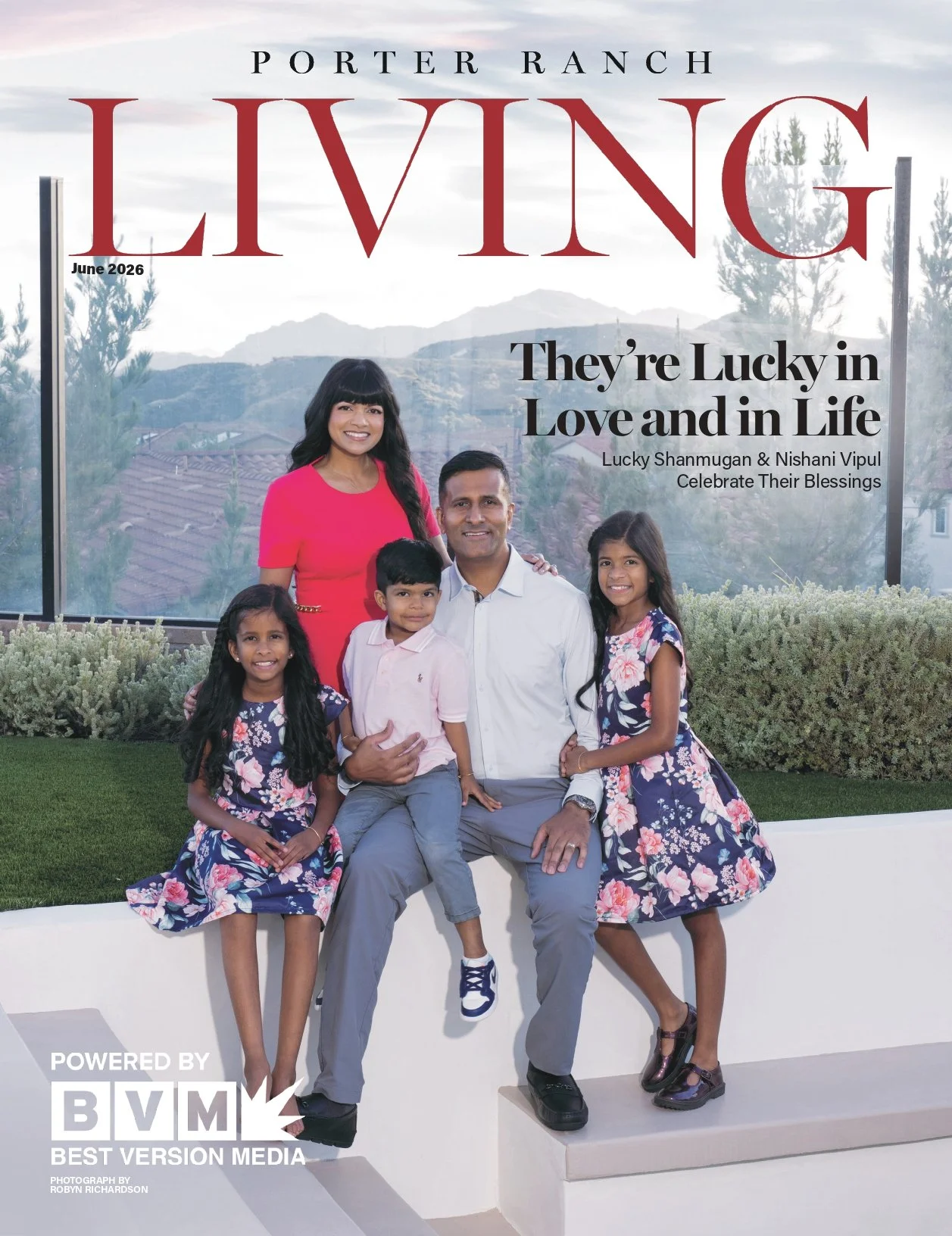
Lucky Shanmugan was recently featured in Porter Ranch Living, his local magazine, for Father’s Day: in his interview, Lucky talks about Osteogenesis Imperfecta, a rare genetic or heritable disorder of the connective tissue, and the incredible journey towards his official diagnosis.

Here are 9 things Chris Anselmo wishes someone had told him after his rare disease diagnosis.


A family’s hardships and resilience in finding answers and getting a diagnosis for their child, after numerous tests, brain biopsies, and hospitalizations. And the relief but also grief in finally putting a name to the rare disease that affects their child: BCL11B-related disorder.
The Danon Foundation boldly empowers people living with Danon disease, providing trusted information, resources and support to help navigate life, from diagnosis to treatment.
For many families, caregiving for a child with a rare or medically complex condition is a full-time job. The problem is, it’s a job with no training, no time off, and no clear job description. If you’re looking for the light at the end of the tunnel, you don’t have to search alone. Check out some of Paige’s favorite resources.
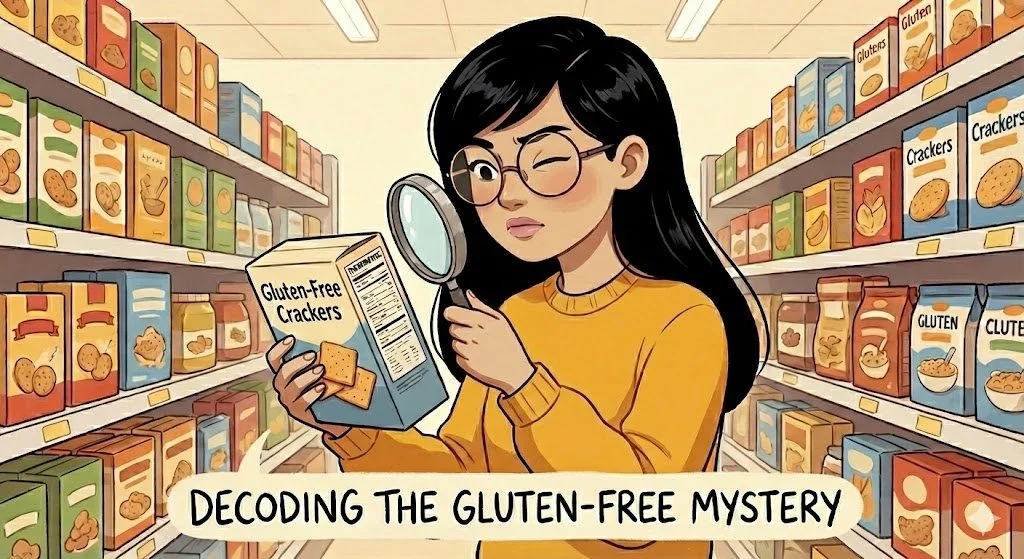
For most of celiacs, despite months on a strict GF diet, energy stays low and blood work reveals nutrient deficiencies. The lesson? A "gluten-free" label isn't a health guarantee—just a guarantee you'll pay more.

If you’ve been told you have seronegative NMOSD, there’s nearly 50/50 chance you have a different antibody causing your symptoms –MOG antibody.
Therapy Near Me is a nationwide mental health service based in Australia, providing easy access to psychologists, counsellors, behaviour support practitioners and social workers.

At the annual Kidney Week of the American Society of Nephrologists (ASN), the world’s largest kidney healthcare professional organization, new advances in research were highlighted. Over $35 million has been invested in research with the ASN, and there are many treatments in development for IgA Nephropathy (IgAN), with researchers actively investigating more than 20 different drugs.
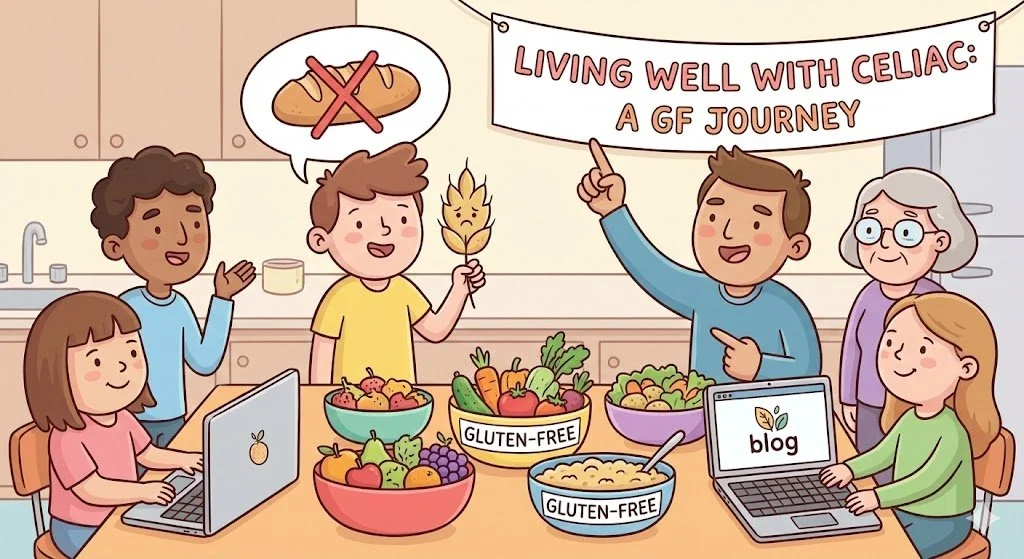
When I was diagnosed with celiac disease, I thought avoiding bread and pasta would be enough. I quickly learned that living truly gluten-free is far more complex, and I'm sharing my experience to help newly diagnosed individuals understand what lies ahead.

Retinopathy is an eye problem that many people with Danon disease have. It can cause dark spots in the outer part of the eye, blurry or worse vision, and unusual test results on an eye exam. Sometimes these eye changes show up before heart problems, so an eye check can help find the disease early.

A heartfelt story about a mother who found purpose and strength among the tragedy of losing a child diagnosed with an ultra rare genetic disorder.

Kaya Girl Legacy, Inc. is a Florida-based nonprofit founded in memory of Kaya Humbert, a beautiful baby girl born with Sphingosine Phosphate Lyase Insufficiency Syndrome (SPLIS), one of 46 known cases worldwide. The foundation is dedicated to empowering families with knowledge about their genetic health and advocating for early access to genetic testing and rare disease awareness.

A prose poem by Jim Kuhn, a rare warrior living with Sarcoidosis, a rare inflammatory disease.

Rare Mom Laura shares how her family’s prep for Halloween turned into a burst of familial love and creativity, as they all worked together in designing and building a costume for Alden, her medically complex son.

Instead of starting with a newly discovered drug compound, PCOR is a type of research that starts by turning to patients and caregivers and asking, What matters most to you? What questions do we want answered? What symptoms do we wish were better managed? What keeps us up at night?

Four years ago, Michael Grivas’ life suddenly changed when he learned that he had Brugada Syndrome, a genetic disorder in which the electrical activity of the heart is abnormal due to channelopathy. Learn more about his story.

Fatigue is a very common and often debilitating symptom of IgAN. It is linked to disease progression and reduced kidney function, but other factors like inflammation, anemia, and mental health also play a role. In a 2025 study, the majority of patients with IgAN reported fatigue, and patients with more severe proteinuria and lower kidney filtration rates (eGFR) experienced worse fatigue.

Why is it so hard to accept help? Humans often associate help with weakness and loss of independence and control. However, if we reframe our thoughts, accepting help can be viewed as a form of empowerment: showing vulnerability and trusting someone to help us requires great strength.

There is so much mental load with having a rare disease. Rare Human Lindsay shares there are things she does not care about anymore, as she manages rare disease symptoms, specialists, and clinical trials.

Rare Human Lindsay shares her "silver linings." It's not 'what doesn't kill you makes you stronger,' instead it's what doesn't kill you makes you braver. She shares that she has found deeper connections with others, improved her ability to ask for and accept help, and not been as afraid of the word "no."


Journalist and rare disease advocate Lindsay Guentzel breaks down why clinical trials are a lifeline for the rare disease community. With only 5% of known rare diseases having an FDA-approved therapy, trials often represent the only path toward treatment, progress, and hope.